Treatment days often start with lab draws and end with fatigue that makes a full plate feel unrealistic. Appetite can swing after anti-nausea meds, taste can turn metallic, and mouth soreness can make rough textures painful. A weekly plan creates a steady baseline for calories, protein, and fluids, even on low-intake days. The goal is practical food that fits real schedules, uses familiar ingredients, and supports healing between appointments. Portions stay small, nourishment stays consistent.
7-Day Cancer Care Meal Plan for Strength, Weight Support, and Recovery
Day 1: Gentle Start with Easy Digestion
Early treatment periods often involve nausea or limited appetite. Soft foods with mild flavors tend to remain easier for the stomach to handle. Breakfast may include oatmeal prepared with milk and mashed banana. Warm cereals are commonly recommended during chemotherapy mornings since strong food aromas sometimes trigger nausea. Lunch might include soft scrambled eggs with toast and cooked spinach. Eggs provide concentrated protein without requiring large portions.
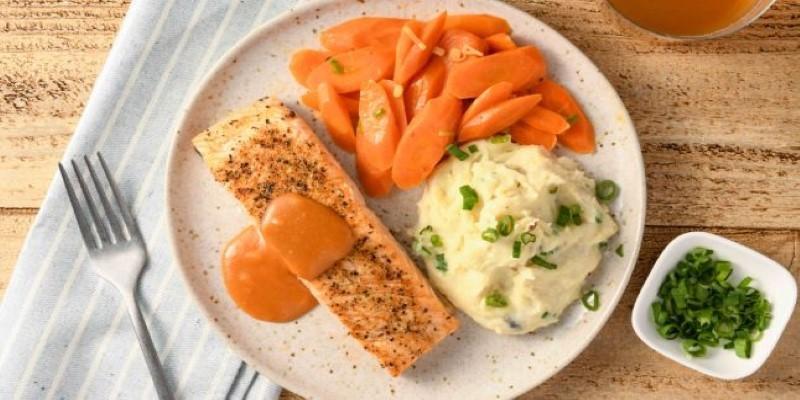
Hospital dietitians often recommend cooked vegetables during recovery phases since raw vegetables may irritate the stomach lining. Dinner can consist of baked salmon, mashed potatoes, and steamed carrots. Salmon supplies protein and healthy fats while remaining soft in texture. A small yogurt snack before bedtime provides additional protein without placing stress on digestion.
Day 2: Stable Energy Through Balanced Meals
Energy fluctuations frequently appear during radiation or chemotherapy cycles. Balanced meals containing carbohydrates, protein, and fats help prevent sudden fatigue during long treatment days. Breakfast may include Greek yogurt with berries and ground flaxseed. Fermented dairy products appear frequently in oncology nutrition plans since probiotic cultures support digestive balance during medication cycles.
Lunch could involve a chicken and rice bowl with roasted zucchini. Rice remains one of the most reliable carbohydrates during treatment since it rarely irritates the stomach. Dinner might include turkey meatballs with soft polenta and sautéed green beans. Ground meats often work well during oral sensitivity caused by certain therapies. Warm herbal tea during the evening helps maintain hydration when cold drinks irritate the throat.
Day 3: Protein Support During Muscle Loss Risk
Muscle loss can appear quietly during long treatment stretches, especially when fatigue keeps activity low, and meals become smaller. Oncology dietitians often aim for protein at every eating time to limit gaps. Breakfast can be cottage cheese with peaches and whole grain toast, a soft, high-protein option that still works when chewing feels uncomfortable.
Lunch may be lentil soup with tender vegetables and bread, a practical choice used in many hospital menus when appetite is limited but nutrient needs remain high. Dinner might be baked chicken thigh with quinoa and roasted squash. A small peanut butter and cracker snack adds calories without a large volume.
Day 4: Hydration and Electrolyte Balance
Fluid intake often drops during chemotherapy days when nausea, mouth soreness, or early fullness makes drinking difficult. Clinics watch hydration closely, since dehydration can worsen dizziness, constipation, and lab abnormalities. Breakfast may be a smoothie blended with milk, banana, oats, and peanut butter, offering fluids plus calories in a low-effort format.
Lunch can be a baked sweet potato topped with cottage cheese, with steamed broccoli on the side. Sweet potato provides potassium, a value often checked on routine bloodwork. Dinner might include grilled cod with rice and sautéed spinach, mild flavors that suit a low appetite. Broth-based soups between meals add sodium and fluid without feeling heavy.
Day 5: Addressing Taste Changes
Chemotherapy often shifts taste overnight. A metallic note, dulled sweetness, or sudden dislike of familiar foods can cut intake at the exact time protein needs rise. In the clinic, dietitians often suggest sharper but gentle flavors, lemon, vinegar, or a small amount of pickled ginger, and switching away from metal utensils. Breakfast can be scrambled eggs folded with avocado on warm tortillas, with a squeeze of lime.

Lunch may be tuna tossed in olive oil and lemon, served with pasta and peas, served cool to limit odors. Dinner can be baked turkey breast with barley and roasted cauliflower. A frozen fruit smoothie later may soothe mouth irritation and add calories. If nausea flares, crackers alongside the smoothie can settle the stomach.
Day 6: Digestive Comfort During Treatment Cycles
GI side effects can change week to week after antiemetics, opioids, antibiotics, or reduced walking. Constipation may follow pain medicines; loose stool can follow certain infusions. In home care, stool patterns often guide meal choices more than the calendar. Breakfast can be warm rice porridge topped with a soft egg and diced carrots, offering fluid and starch without rough fiber.
Lunch may be baked chicken with mashed sweet potato and well-cooked green beans, easy to portion into small servings. Dinner can be tofu with rice noodles and bok choy cooked until tender. Pear puree, oatmeal, or chia gel can add soluble fiber when constipation builds, while greasy foods may worsen cramps. Maintain steady sips of water or broth throughout the day.
Day 7: Rebuilding Strength and Routine
Later recovery stages often focus on rebuilding daily structure around meals. Appetite tends to improve gradually after intensive treatment cycles. Breakfast might include oatmeal with chopped nuts, milk, and blueberries. Whole grains release carbohydrates slowly and support steady morning energy.
Lunch could involve grilled chicken salad with quinoa and roasted vegetables. Balanced plates support energy during physical therapy or follow-up visits. Dinner may include baked trout with brown rice and roasted root vegetables. Root vegetables provide complex carbohydrates and trace minerals. Yogurt with honey or a small portion of trail mix may serve as an evening snack that maintains calorie intake.
Conclusion
Meal planning during cancer treatment requires flexibility and clinical awareness. Appetite changes, digestive sensitivity, and fatigue often affect food tolerance across treatment cycles. Structured meal patterns allow steady intake without overwhelming digestion. Soft textures, balanced nutrients, and consistent hydration support recovery and muscle preservation. Dietitians frequently adapt meal plans according to laboratory results, treatment phase, and symptom changes. A simple weekly framework can guide caregivers and clinical staff in maintaining nourishment during complex treatment periods.