Melbourne often surprises first-time arrivals. Streets change quickly from historic buildings to narrow laneways filled with street art. A tram ride of only a few minutes can place visitors near parks, markets, galleries, or coastal views. Many travel plans run into timing problems, such as closed market days or large weekend crowds. A short list of reliable Melbourne attractions helps prevent wasted hours. Each place below reflects a core part of city life and fits easily into common travel routes used during short visits across central Melbourne districts.
Best Places to Visit in Melbourne for First-Time Travelers
Federation Square
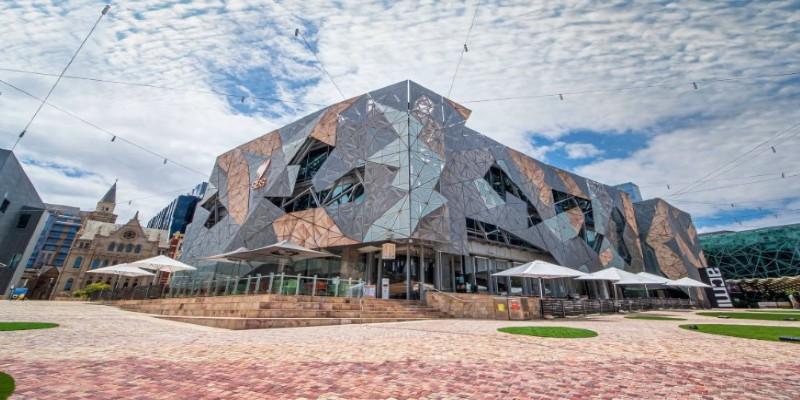
Federation Square sits directly opposite Flinders Street Station and quickly becomes a reference point for many first-time visitors. Trams pass nearby in every direction, so the area often serves as the place where a day in Melbourne begins. Large outdoor screens show sports events, cultural programs, and public broadcasts, drawing crowds throughout the year.
Morning visits usually feel more relaxed. Tour groups and event crowds tend to arrive closer to midday, which can fill the open space quickly. The Australian Centre for the Moving Image inside the complex offers interactive displays focused on film, animation, and digital media, providing a good indoor stop during cooler weather.
The architecture often sparks debate, yet the square remains one of the most practical meeting spots in the city. Its central position connects easily to major Melbourne landmarks within walking distance.
Royal Botanic Gardens
The Royal Botanic Gardens provide a break from the dense streets of central Melbourne. Large lawns, lakes, and tree-lined paths spread across a wide green area beside the Yarra River. Many visitors underestimate the size and schedule too little time.
Morning visits usually work best. Temperatures remain comfortable, and walking paths stay quiet. Spring brings blooming collections and stronger color across the gardens, while autumn produces calm walking conditions and soft light for photography.
Guided walks explain native plants and conservation work carried out on site. Travelers sometimes miss these details during self-guided visits. A tram ride from the city stops nearby, and the gardens connect easily with walking paths leading toward the Arts Centre district.
Queen Victoria Market
Queen Victoria Market shows everyday Melbourne life in a way that large shopping streets cannot. Traders sell fresh produce, seafood, clothing, and souvenirs across a historic market complex that has been operating since the nineteenth century.
Travel plans often overlook the opening schedule. The market closes one day each week, which creates confusion for travelers arriving with tight itineraries. Early morning visits provide the best atmosphere and easier movement through the aisles.
Seasonal night markets appear during summer and winter. Food stalls, music, and outdoor seating turn the area into an evening gathering space. Crowds grow quickly after sunset, so arriving earlier helps secure tables and shorter food lines.
Flinders Street Station
Flinders Street Station ranks among the most recognizable Melbourne landmarks. The yellow facade and central dome appear in countless city photos. Trains and trams move constantly through the area, creating a busy urban setting. The row of clocks above the entrance still works as a meeting spot for locals. Visitors often stop here before heading toward Federation Square or the Yarra River.
Midday hours allow easier movement through the historic main hall, since commuter traffic slows. Evening light also highlights the building’s architectural details. The surrounding tram stops make the station one of the easiest transport hubs for reaching other things to do in Melbourne.
National Gallery of Victoria
The National Gallery of Victoria holds the largest public art collection in Australia. International exhibitions share space with Australian paintings, sculpture, and design collections. Entry to the permanent galleries remains free. Many visitors underestimate the scale of the building and attempt to see everything in one visit.
Choosing two or three exhibitions often leads to a better experience. School holiday periods increase crowd levels around interactive displays. Weekday mornings tend to remain quieter. The water wall at the entrance draws steady photo traffic and also helps visitors identify the museum from a distance.
St Kilda Pier and Beach
St Kilda sits on Port Phillip Bay, and the tram ride from the city feels like a quick reset. Sand, salty air, and a skyline that looks better with a bit of distance. Late afternoon is the sweet spot, when the light softens, and the pier turns into an easy stroll.
Keep going to the breakwater, and you might spot the little penguins tucked into the rocks, returning after dark. Bring a light jacket. The wind can flip the mood fast, especially outside summer.
Melbourne Laneways and Street Art
Melbourne’s laneways form one of the most recognizable parts of the city. Narrow streets such as Hosier Lane and AC/DC Lane feature rotating murals painted by local and visiting artists. Walls change regularly, meaning no visit looks the same. Travelers sometimes expect large open spaces but instead find compact alleyways between tall buildings.
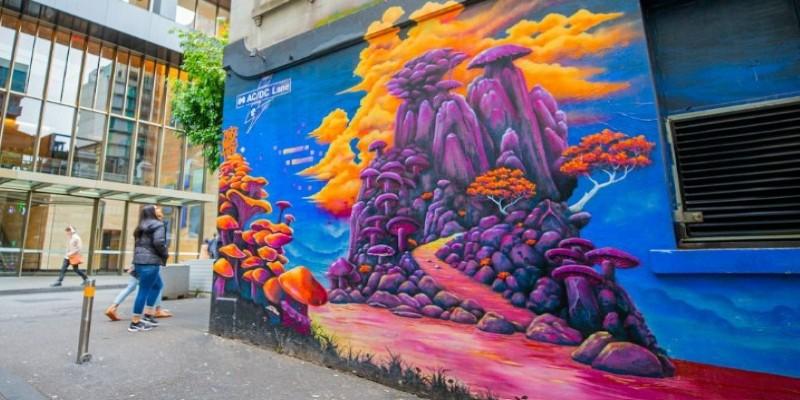
Crowds grow during midday walking tours. Early morning visits offer clearer photos and quieter streets. Several laneways contain small cafes and coffee counters used by office workers during weekday mornings.
Melbourne Skydeck
Melbourne Skydeck sits high above the Southbank district inside the Eureka Tower. The observation platform offers wide views across the city skyline and surrounding suburbs. Sunset hours attract the largest crowds. Tickets for those time slots often sell out in advance during peak travel months.
Afternoon entry tends to move faster through security and ticket lines. The Edge experience extends a glass cube outward from the tower. Some visitors skip the extra ticket cost and enjoy the standard observation deck instead. Restaurants and riverside paths nearby make it easy to combine the visit with evening plans.
Conclusion
Melbourne offers a mix of parks, markets, art spaces, and coastal scenery within a compact area. Many Melbourne attractions connect through the tram network, allowing efficient travel between neighborhoods. Timing remains the main factor shaping the experience, especially during weekends or seasonal events. Early visits often provide calmer conditions and shorter queues. A route including these Melbourne landmarks introduces the city’s character without complicated planning. For first-time visitors, these locations form a balanced starting point before moving toward smaller districts and hidden streets.