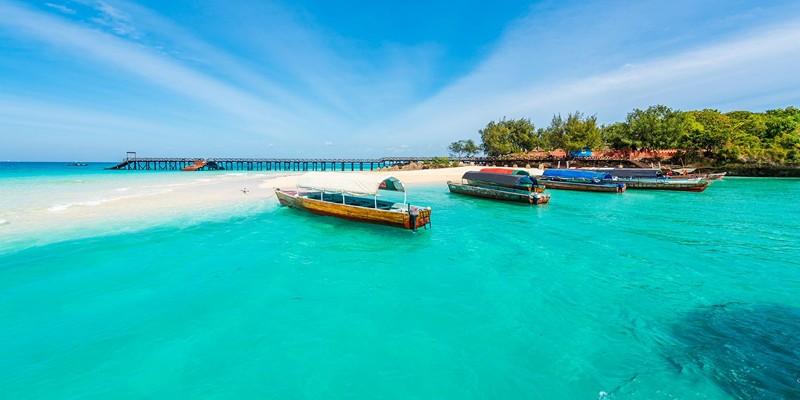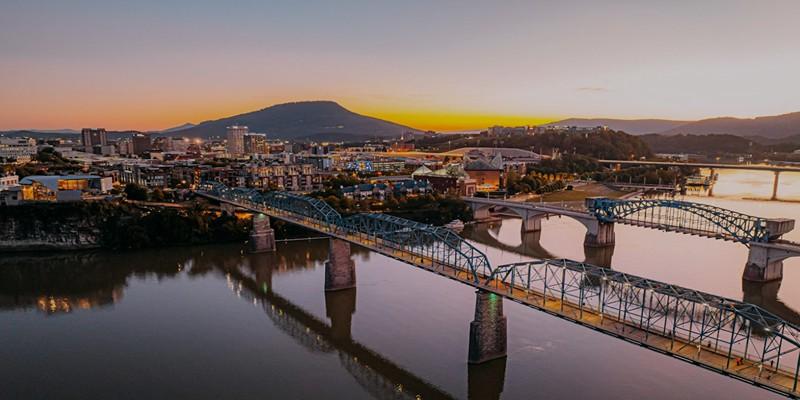
El Gouna sits along the Red Sea with a layout that feels planned yet lived in. Canals cut through residential areas, and transport runs on small loops rather than highways. Travel planning here solves different problems than in larger Egyptian cities. Visitors face tight hotel availability during European school holidays, limited dining capacity on busy weekends, and activities tied closely to wind and water conditions. This guide focuses on practical choices that matter on the ground. It looks at daily activities, realistic hotel selection, and restaurant planning without gloss. The goal stays simple: clear expectations, fewer surprises, and smoother days ahead for travelers.
Activities and Daily Planning in El Gouna
Activities in El Gouna depend heavily on timing and weather rather than attraction density. Kiteboarding and sailing dominate the schedule, driven by reliable afternoon winds. Morning conditions stay calmer and suit beginners, while late afternoons bring stronger gusts that restrict lessons and equipment rental. A family planning water sports during peak summer faces crowded beaches and limited instructor availability. Booking sessions one or two days ahead works better than same day requests during July and August, especially near school break periods.
Desert excursions operate on fixed departure windows. Late bookings often run into vehicle shortages during long weekends tied to national holidays. Trips usually start early to avoid midday heat, which limits flexibility for late risers. Guides prefer smaller groups for safety, meaning last-minute additions may be refused even if seats appear available online.
Snorkeling trips rely on water clarity that changes with wind direction and boat traffic. Operators cancel quietly rather than loudly, so confirming departure status on the morning itself prevents wasted transport and missed meals. Gear availability varies by operator, and mask sizes run limited during busy weeks. Bringing personal equipment reduces friction.
Cycling around lagoon areas sounds simple, yet midday heat and limited shade reduce comfort outside the winter months. Short rides near sunset fit better. Most activity desks accept card payments, though system outages still happen, making small cash reserves useful. Lockers at beach clubs fill early, so arriving before noon avoids carrying items back and forth across town.
Hotel Areas, Price Shifts, and Booking Realities
Hotel selection in El Gouna solves a space and access problem more than a luxury one. Lagoon side properties provide calm water and shorter internal transfer times. Beachfront resorts involve longer shuttle rides that eat into short stays. During October and April, demand spikes from European travelers chasing shoulder season weather, pushing prices upward with little warning.
A couple booking late for a three night stay often finds only premium room categories left. Standard rooms sell first due to limited inventory. Price tracking helps here. Rates sometimes dip midweek after weekend surges, though cancellation penalties apply. Flexible rate plans cost more upfront yet protect against sudden schedule changes tied to flight adjustments or medical issues.
Smaller boutique hotels appeal to travelers seeking quiet evenings, though dining options nearby remain limited late at night. This creates reliance on hotel kitchens or marina transport. Larger resorts cover meals and activities onsite, which suits families managing energy levels and unpredictable schedules. These properties also handle internal logistics better during full occupancy.
Renovation schedules matter. Some hotels refresh rooms during summer heat, leading to partial closures that reduce pool access or dining hours. Sales platforms rarely highlight this clearly. Confirming directly with the property avoids disappointment. Room location also affects comfort, as canal-facing units stay quieter than marina-facing rooms during weekends.
Restaurants, Reservations, and Eating Patterns
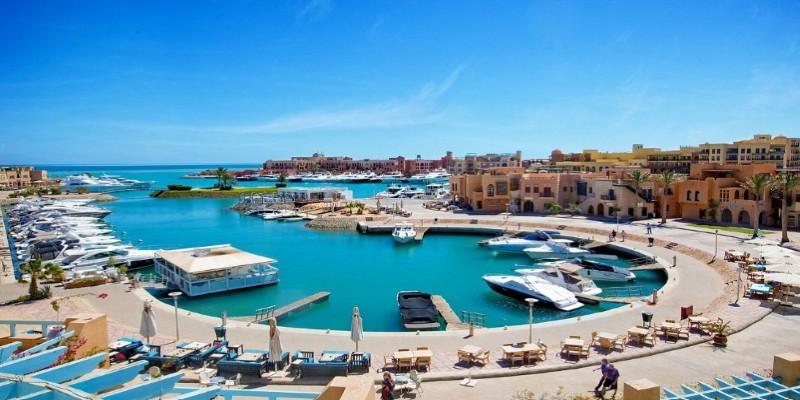
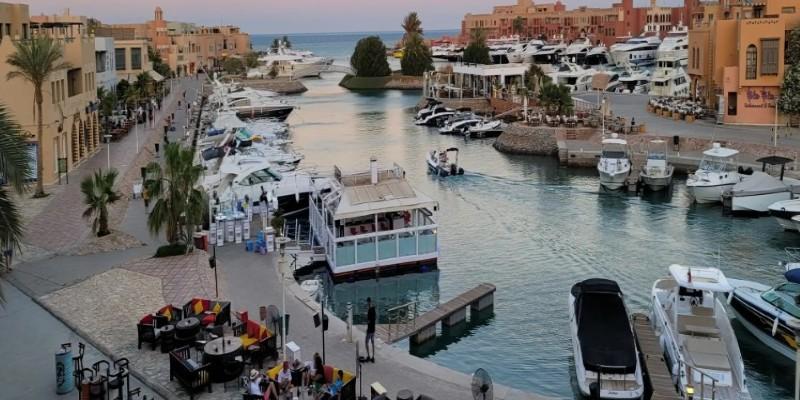
Eating out in El Gouna follows a predictable rhythm. Most restaurants cluster around marinas or inside resort areas, which means the choice narrows quickly once tables fill. Evenings build momentum fast. By sunset on Thursdays and Fridays, many kitchens are already running at capacity. Walk ins during high season rarely work unless arrival comes early. A late flight into Hurghada often leaves few open seats, so same day reservations make a real difference.
Menus tend toward international comfort food with a strong seafood presence. Mediterranean styles dominate, though local dishes appear in varying forms depending on the kitchen team on duty. Portions arrive generously. Sharing plates keeps orders under control and avoids wasted food. Service moves at an unhurried pace. Guests aiming for a shorter dinner usually mention timing at the start rather than halfway through the meal.
Low season brings quieter dining rooms, yet some restaurants close for weeks in August or early September. Online hours often stay outdated. Hotel staff usually know current openings and save unnecessary travel. Marina tables feel inviting, but the evening wind drops temperatures quickly during winter. Light layers help. Card machines sometimes fail late at night, so settling bills earlier prevents delays.
Getting Around, Timing, and Local Logistics
Transport inside El Gouna operates through shuttle boats, tuk tuks, and hotel vehicles. Schedules tighten during peak occupancy, leading to longer waits around dinner hours. Planning returns before peak avoids delays. Boat services stop earlier during winter evenings, which surprises first time visitors.
Airport transfers from Hurghada take around forty minutes, though traffic at security checkpoints adds variability. Evening arrivals stack transfers, increasing wait times. Booking private transfers reduces delays during holiday weekends and helps with bulky luggage. Shared shuttles run less frequently late at night.
Local shops close earlier than expected outside marina areas, so essential purchases fit best into afternoon plans. Mobile connectivity works well, yet ride booking apps show inconsistent coverage. Relying on hotel dispatch desks remains practical. Friday afternoons slow down noticeably, affecting service speed across the town.
Sun exposure builds quickly due to reflected light from water and pale paving. Planning indoor breaks prevents fatigue. Medical clinics operate on appointment systems with limited walk-in capacity. Travel insurance details should stay accessible. Building buffer time into schedules keeps plans realistic and stress low.
Conclusion
El Gouna rewards planning that respects timing, capacity, and seasonal patterns rather than rigid itineraries. Activities depend on wind, hotels shift pricing quickly, and dining runs on reservations more than spontaneity. Travelers adjusting expectations early avoid frustration later. The town works best at a steady pace, with short distances and predictable rhythms. Paying attention to local timing, booking windows, and service limits turns small details into smoother days. With preparation grounded in reality, El Gouna feels easy to manage and comfortable for most travel styles.