Digestive discomfort remains a frequent concern in primary care and gastroenterology clinics. Bloating after meals, irregular bowel patterns, and abdominal pressure often appear together and complicate diagnosis. Food triggers receive attention, yet simple beverages sometimes influence symptom patterns. Herbal teas appear in diet logs used during elimination plans. Certain infusions contain compounds affecting gastric motility, intestinal gas formation, and smooth muscle activity. Clinical observations and nutrition research continue examining links between teas and gut stability.
Ginger Tea and Gastric Motility
Ginger tea often comes up in digestive care for a practical reason. It is one of the few herbal options linked to movement in the stomach rather than simple soothing. Gingerols and shogaols, the plant compounds found in the root, are associated with stronger gastric contractions, which can matter when food lingers too long after eating. In clinic settings, delayed stomach emptying often shows up as upper abdominal pressure, quick fullness, nausea, and a heavy feeling that lasts for hours.
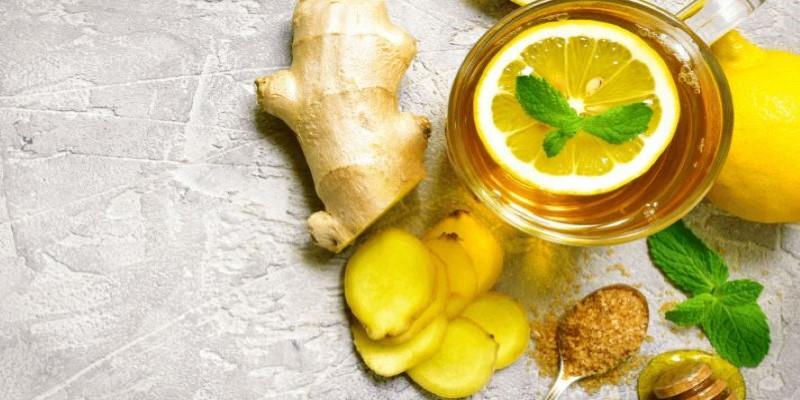
A warm cup of ginger tea may fit into nutrition plans during this stage, especially when regular meals feel difficult. It is also used during recovery after stomach bugs and other gastrointestinal infections. Appetite may be poor, the stomach lining may stay sensitive, and large portions can feel overwhelming. In that setting, small amounts of warm ginger tea can serve two purposes at once. It adds fluid and may gently encourage stomach activity without adding much digestive burden.
Evidence in functional dyspepsia remains mixed, though some reports note less bloating after meals. Caution still matters. Strong ginger products can irritate active ulcers, and heavy intake may not suit patients taking blood thinners. Moderate use, often one cup after meals, tends to be the usual approach in outpatient care and home recovery.
Peppermint Tea and Intestinal Muscle Relaxation
Peppermint tea often shows up in gastroenterology handouts for cramping and bowel urgency, especially in irritable bowel syndrome. The main active compound, menthol, can quiet intestinal smooth muscle, so spasms ease and the squeezing, twisting pain tends to soften. In the clinic, many patients describe discomfort that migrates across the abdomen, flares after lunch, then settles, with scans and blood work coming back unrevealing.
That mix suggests a functional problem: sensitive gut nerves plus muscles contracting too hard or too often. Menthol appears to reduce calcium entry into intestinal muscle cells, lowering contraction strength. Peppermint oil capsules deliver a measured dose and have stronger trial data, yet tea remains a common starting point during conservative care, paired with symptom tracking and dietary adjustments. Some diaries note less post-meal pressure after several days, along with fewer sudden trips to the bathroom.
Trade-offs deserve attention. Menthol may relax the lower esophageal sphincter, so reflux and throat burn can worsen in susceptible patients. Very hot tea can irritate an already inflamed stomach lining, so warm tea is usually preferred during gastritis flares. A short steep keeps the infusion gentler; a long steep increases intensity and side effects. If symptoms persist, clinicians review reflux history, medication lists, and red flags such as weight loss or bleeding.
Chamomile Tea and Digestive Inflammation
Chamomile tea is often used on hospital menus during the “back-to-eating” phase after stomach bugs or mild gastritis. Its flower heads contain flavonoids and terpenoids linked with quieter inflammatory signaling along the gut lining, a useful fit when the intestine feels tender even after vomiting or diarrhea has settled. In outpatient diet reviews, chamomile frequently shows up beside bland, low-fat meals, since it adds fluid without acidity or caffeine that can aggravate irritation.

Clinicians also note a nervous-system angle. The enteric nerves that coordinate gut sensation and movement can stay on high alert after illness or during prolonged stress, and gentle calming effects may reduce that tight, clenched feeling some patients describe late in the day. For that reason, some care plans place chamomile in an evening slot, timed away from heavier meals.
Safety checks still matter. Chamomile sits in the Asteraceae family, alongside ragweed, and cross-reactivity can trigger itching, swelling, or hives in sensitive patients. Mild sedation is possible, so pharmacists often flag regular use alongside sleep aids, benzodiazepines, or other calming medicines. Moderation and careful timing keep it supportive rather than complicating treatment. In home-care settings, steeping time is kept short, five to seven minutes, and sweeteners are limited, since sugars can worsen post-infection bloating and loose stools.
Fennel Tea and Intestinal Gas Management
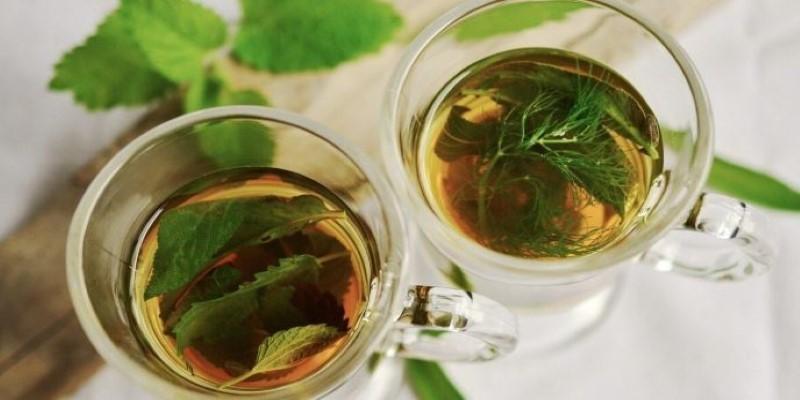
A swollen, tight abdomen after eating is one of the most common reasons people start tracking meals and symptoms. Fennel tea shows up in that routine for a practical reason. Lightly crushed fennel seeds release anethole and related aromatic compounds that act as carminatives, helping gas pockets break into smaller bubbles and pass with less pressure. In clinic notes, this kind of distention is often described as “fullness” or “ballooning,” even when imaging and labs look normal.
In pediatric settings, fennel has been used in very small, supervised amounts for colic, aiming to calm intestinal spasms that can trap gas. Adult care sees similar patterns during meal-related bloating, especially after rapid diet shifts. Elimination diets can raise fiber or change fermentable carbohydrates, and short-term gas production may spike while the gut adjusts. A mild fennel infusion can offer a steady, low-risk option during that noisy phase, while triggers are still being sorted out.
Post-surgical recovery is another real-world use case. Anesthesia and opioid pain medicine often slow bowel motility, and early movement of gas can be uncomfortable. Warm liquids paired with gentle stimulation may support the return of bowel activity. Stronger extracts carry more concern, particularly in hormone-sensitive conditions. Diluted tea is generally preferred, with allergy history and medication lists checked first.
Conclusion
Digestive health discussions often focus on medications, laboratory testing, and diet adjustments. Simple herbal teas remain a small but practical element within supportive care. Ginger, peppermint, chamomile, and fennel infusions each interact with digestive processes in distinct ways. Clinical guidance and personal tolerance still guide safe use. Balanced intake alongside medical evaluation allows these traditional beverages to complement broader digestive management strategies.