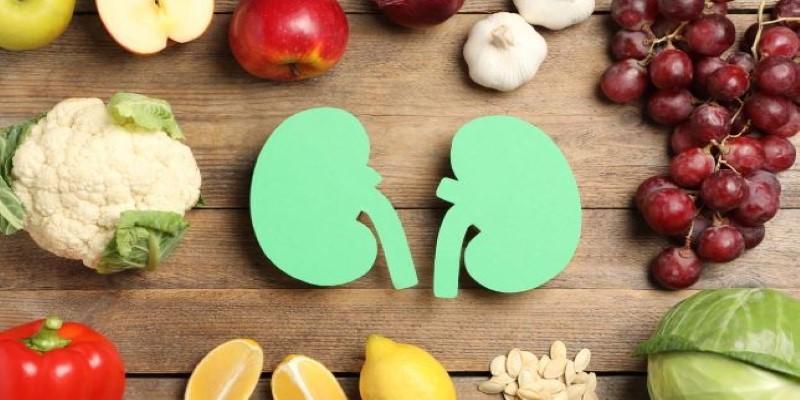
Maintaining fullness during calorie reduction often challenges patients during weight management plans. Dietitians frequently observe hunger spikes between meals, leading to excess snacking and inconsistent progress. Foods with low energy density and high water, fiber, or protein content can reduce this pattern. These ingredients occupy physical volume in the stomach and slow digestion. Clinical nutrition plans often rely on these foods to stabilize appetite and support adherence during structured dietary interventions without increasing caloric load.
28 Low-Calorie Foods That Help Maintain Fullness Throughout the Day
Oatmeal
Oatmeal turns creamy as it cooks, taking on water that adds volume without many calories. In outpatient weight clinics, plain oats are a common foundation in breakfast plans. Beta glucan fiber slows digestion, reducing midmorning hunger and grazing between appointments for many patients.
Boiled Potatoes

Boiled potatoes contain resistant starch after cooling. They are regularly incorporated into controlled portions in clinical meal planning. Their high water content produces a large serving size with limited calories.
Greek Yogurt
Protein density in plain Greek yogurt supports fullness signals. Endocrinology clinics often suggest it during morning meals for patients managing blood glucose patterns. Thick texture also slows consumption, which improves meal pacing.
Eggs
Egg protein contains amino acids that stimulate satiety hormones. Many hospital nutrition plans begin breakfast with eggs to reduce midmorning hunger complaints. Scrambled or boiled forms maintain low calorie counts without added fats.
Lentils
Lentils deliver fiber and plant protein in one serving. Dietitians frequently include them in diabetes meal plans due to their steady digestion speed. Fiber fermentation in the colon also prolongs fullness signals.
Cottage Cheese
Casein protein digests slowly. Evening snacks in clinical nutrition programs often feature cottage cheese since gradual absorption supports overnight satiety. This approach helps reduce late night snacking patterns observed in weight clinics.
Apples
Apples bring soluble fiber and plenty of water, so they take up space without many calories. In many meal plans, a whole apple is used as a simple “pre-meal” item. It slows eating, eases cravings, and often trims the next serving size.
Pears
Pears provide substantial fiber within relatively few calories. Gastroenterology clinics sometimes recommend them for patients needing mild digestive support. Fiber expansion inside the stomach contributes to prolonged fullness.
Carrots
Raw carrots require extensive chewing. Behavioral nutrition programs encourage crunchy vegetables during snack periods. Slower eating speed supports satiety signaling, while calorie intake remains minimal.
Cucumbers
Cucumbers contain large amounts of water with very low caloric density. Bariatric nutrition plans often rely on such foods to create volume on plates without increasing calorie intake.
Zucchini
Cooked zucchini softens while retaining water content. In hospital kitchens it frequently replaces higher calorie pasta in meal modifications designed for weight management patients.
Spinach
Spinach provides fiber and a large serving volume. Leafy greens are widely used to increase portion size without raising calorie intake. Patients following calorie restricted diets report improved satisfaction with these additions.
Broccoli
Broccoli offers fiber and moderate protein content. Oncology nutrition teams sometimes recommend it during recovery diets since its density supports fullness without overwhelming digestion.
Cauliflower
Cauliflower adapts easily into rice or mash substitutes. Nutrition staff often use it during carbohydrate modification programs. Its volume supports meal satisfaction despite reduced caloric content.
Mushrooms
Mushrooms contain significant water and have a dense texture after cooking. Culinary teams in healthcare facilities use them to replace part of ground meat in recipes, reducing calorie load while maintaining portion size.
Watermelon
Watermelon delivers hydration along with natural sweetness. Weight management clinics sometimes suggest it for afternoon snacks. Large servings remain low in calories due to high water composition.
Strawberries
Strawberries add volume with few calories, pairing fiber with steady sweetness. In outpatient nutrition plans, a measured serving often replaces pastries at breakfast. Rinsing, slicing, and combining with plain yogurt keeps portions controlled.
Blueberries
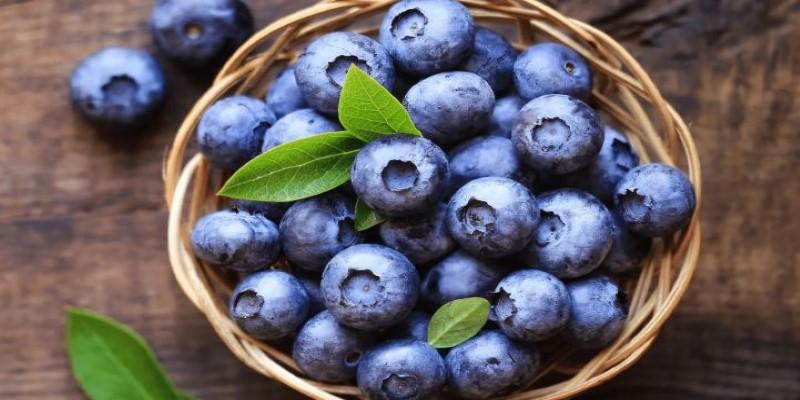
Blueberries bring fiber in a compact portion and a deeper flavor that fits structured meal plans. In diabetes education sessions, they are often used to sweeten plain yogurt, preventing added sugars and limiting spikes.
Chia Seeds
Chia seeds soak up liquid and thicken into a gel, which adds staying power to meals. Small amounts stirred into oatmeal or yogurt can slow digestion. Start low, since rapid fiber increases may cause bloating.
Beans
Beans combine fiber and protein in a compact, low-calorie package. They play a practical role in preventing hunger rebound between meals. Rinse canned beans to cut sodium, and increase portions gradually to reduce gas.
Quinoa
Quinoa provides complete plant protein and fiber. It can serve as a grain alternative for those struggling with persistent hunger during calorie restriction.
Popcorn
Air popped popcorn contains significant volume relative to calories. It is a popular option in structured weight programs for managing snack cravings. High bulk promotes fullness after moderate portions.
Cabbage
Cabbage appears frequently in hospital soups due to its low energy density. Large bowls remain light in calories while still filling stomach space during meals.
Celery
Celery is mostly water with crisp fiber, so it adds volume for very few calories. Many weight programs use celery sticks for planned snacks, since steady chewing can slow eating and ease cravings.
Tomatoes
Tomatoes bring moisture and acidity that make meals feel larger and more satisfying. In clinic meal plans, sliced tomatoes often bulk up salads, bowls, and wraps without pushing calories higher.
Edamame
Edamame provides plant protein and fiber. Diabetes education programs often include small servings as snacks due to slow digestion and steady energy release.
Chicken Breast
Lean chicken breast contains dense protein with limited fat. In many hospital kitchens it forms the foundation of calorie controlled meals designed to sustain fullness across several hours.
Clear Vegetable Soup
Broth based vegetable soup introduces fluid and fiber at the start of meals. Clinical studies within hospital nutrition programs show reduced total calorie intake when soup precedes the main dish.
Conclusion
Low calorie foods with high water, fiber, or protein content play a practical role in appetite management. Nutrition professionals regularly rely on these ingredients in clinical diet plans, particularly during weight reduction programs. Large portions remain possible without excessive calorie intake. Patients following structured plans often report fewer hunger spikes and improved adherence when these foods appear regularly in meals and snacks. Consistency and thoughtful preparation determine long term success.