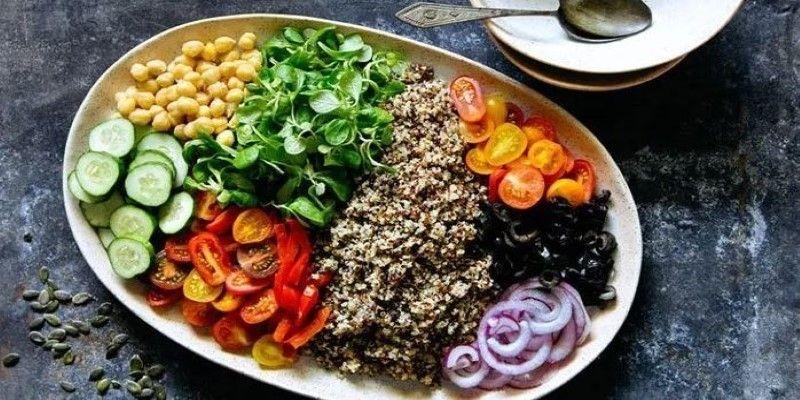
Morning nutrition sets the metabolic pace for the entire day. Clinics often document midmorning fatigue among adults attempting calorie restriction. Breakfast dominated by refined grains leaves blood glucose unstable before noon. Higher protein intake changes that pattern. Amino acids slow gastric emptying and moderate early hunger signals. Dietitians in weight management programs frequently start with breakfast adjustments rather than severe daily restrictions. Balanced morning protein supports energy stability during commuting shifts, school preparation, or clinical rounds. Simple meals prepared at home.
Why Protein in the Morning Supports Weight Regulation
Metabolic clinics regularly review food logs during early weight reduction consultations. Patterns often reveal light breakfasts composed mainly of toast or sweetened cereal. Such meals digest quickly, and insulin rises sharply soon afterward. Within two hours, energy drops and hunger returns. Protein modifies this sequence. Eggs, cultured dairy, tofu, lentils, or fish supply amino acids that slow stomach emptying and temper glucose swings.

Hospital dietitians frequently observe improved midmorning concentration after patients shift breakfast composition. Stable energy reduces unplanned vending machine purchases between clinic appointments. Protein intake during breakfast also influences satiety hormones, including peptide YY and GLP-1 release within the small intestine. These signals travel through vagal pathways and reduce the drive for rapid snacking.
Weight management teams often encourage thirty grams of protein early in the day. This level appears repeatedly in controlled feeding studies examining appetite regulation. Practical adjustments may include eggs with sautéed vegetables, strained yogurt with seeds, or a lentil pancake prepared in advance. Clinical records show steadier energy during morning laboratory shifts once protein intake rises at breakfast time.
Extended fasting overnight lowers circulating amino acid availability. A protein focused breakfast restores substrate for neurotransmitter production and muscle repair following early activity or physiotherapy sessions. Gradual digestion keeps hunger signals moderate until midday meals arrive.
Eggs, Dairy, and Plant Options with Clinical Practicality
Egg based breakfasts appear frequently in nutrition plans used in outpatient weight clinics. Two large eggs provide about twelve grams of protein along with choline needed for nerve signaling. Scrambled eggs paired with spinach or tomatoes create a meal with a modest carbohydrate load. Dietitians often suggest cooking with minimal oil to limit unnecessary calories.
Cultured dairy products supply another reliable option. Greek style yogurt holds nearly double the protein found in standard yogurt. Thick texture slows eating pace during busy mornings in hospital staff rooms. Fermentation introduces bacterial cultures that support gut microbiota balance, though lactose sensitivity remains a consideration. Some patients tolerate lactose free versions more comfortably.
Plant centered breakfasts receive increasing attention in cardiometabolic programs. Tofu crumbles seasoned with turmeric resemble scrambled eggs while delivering solid protein content. Cooked lentils folded into whole grain flatbread offer fiber that slows glucose rise. Such meals suit individuals reducing animal products after elevated cholesterol findings during routine laboratory screening.
Preparation logistics matter as much as nutrient composition. Early hospital shifts leave limited time for cooking. Dietetic teams often recommend advance batches of egg muffins, yogurt cups with nuts, or refrigerated tofu scramble portions. Stored meals reduce reliance on refined pastries found near clinic entrances during morning rush periods and daily operations overall.
High-Protein Grain and Legume Breakfast Combinations
Legume and grain blends supply protein plus sustained carbohydrate release. Many metabolic clinics integrate such meals for patients managing insulin resistance. Traditional oatmeal often raises glucose rapidly when served alone. Adding cottage cheese, soy yogurt, or ground peanuts increases protein density and slows digestion.

Chickpea flour pancakes illustrate another approach. Batter made from finely milled chickpeas contains notable protein without refined wheat flour. Cooked on a skillet, the pancakes develop firm structure and remain filling for several hours. Community health programs sometimes teach this recipe during diabetes education classes since ingredients remain inexpensive and widely available.
Quinoa breakfast bowls appear in some hospital meal plans for post-surgical recovery. Quinoa provides a complete amino acid profile along with magnesium, which is involved in muscle function. Cooked grains mixed with yogurt or soft tofu form a balanced morning dish. Warm preparation assists individuals experiencing reduced appetite after procedures or medication changes.
Portion control still requires attention during weight reduction treatment. Even nutritious grains carry calories. Registered dietitians frequently measure cooked servings near half a cup during early program stages. Additional protein from seeds, dairy, or legumes creates fullness that limits repeated bowl refills later in the morning within office environments or hospital wards. Balanced combinations maintain energy without abrupt glucose fluctuation episodes before lunch service.
Morning Meal Planning in Real Healthcare Settings
Morning meal planning in healthcare settings extends far beyond nutrient totals on a chart. Dietetic teams look at the full picture, appointment times, refrigeration access, transport, medication schedules, and the simple fact that many patients arrive tired, rushed, and already behind on the day. A protein-rich breakfast becomes especially useful after fasting blood work, when energy tends to dip, and long clinic visits still lie ahead. In that window, practical food matters more than elaborate recipes.
Portable choices often make the biggest difference. Hard-boiled eggs, cottage cheese cups, strained yogurt, or small containers of lentil patties can be packed quickly and eaten without much preparation. That kind of planning reduces the pull of pastries, crackers, and other quick items commonly sold near reception desks or hospital cafés.
In community care, irregular mornings are common. Shift changes, school drop-offs, and caregiving demands can push breakfast aside until hunger becomes urgent. A prepared meal waiting in the refrigerator helps prevent that pattern. Something as simple as yogurt with nuts or a ready-made egg bite can steady the appetite before late morning.
Medical limits still matter. Reduced kidney function may call for tighter protein portions, and some medications require careful food pairing. Dietitians adjust breakfast plans to fit those realities safely.
Conclusion
Morning protein intake offers a practical adjustment within weight management plans used across clinics and community health programs. Balanced breakfasts built with eggs, dairy, legumes, or soy stabilize energy and reduce early hunger signals. Consistent intake supports metabolic control during work shifts, rehabilitation sessions, and routine daily tasks. Careful portion planning and clinical guidance remain necessary when chronic illness affects diet tolerance or medication timing. Structured meals at breakfast help sustain progress in the long term.