Gallbladder disease often develops alongside changes in bile flow, fat digestion, and inflammation within the biliary tract. Dietary patterns influence symptom frequency, especially during periods of gallstone irritation or gallbladder contraction. Clinical teams frequently review eating habits after episodes of right upper abdominal pain or abnormal imaging results. Food choices affect bile release, digestive comfort, and post-meal pressure in the biliary system. Structured nutrition guidance helps reduce flare episodes and supports digestive stability during recovery.
Role of Fat Digestion in Gallbladder Stress
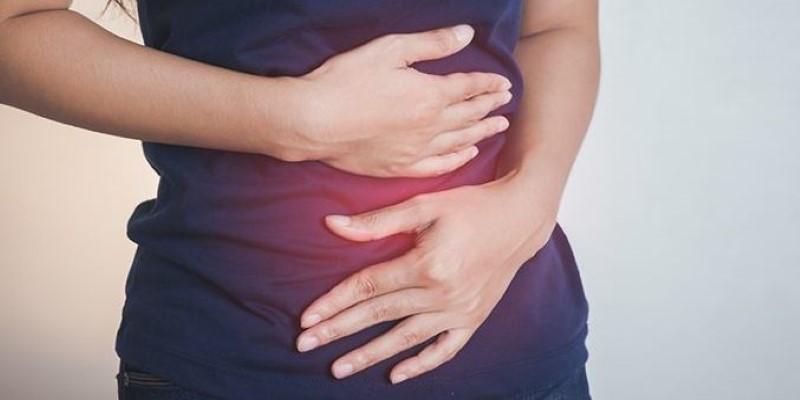
Fat digestion places the gallbladder at the center of every meal that contains oil, dairy fat, meat fat, or rich sauces. Its job sounds simple, store bile from the liver and release it into the small intestine when digestion begins. In practice, that release can become a problem during gallbladder disease. Once fat enters the digestive tract, the gallbladder squeezes. If a stone blocks the cystic duct, or if the wall is swollen and irritated, that normal squeeze can set off sharp pain.
This pattern appears often in clinical care. A heavy dinner, especially one built around fried food or creamy dishes, is a common lead-in to biliary colic. Several hours later, pain may settle under the right ribs and creep toward the back or shoulder blade. Nausea often follows. Some patients arrive in the emergency department convinced the issue is heartburn, only to learn that gallstones are interfering with bile flow.
Nutrition planning usually aims for moderation, not complete fat removal. Very low fat intake can leave bile sitting too long in the gallbladder, which may encourage sludge formation on ultrasound. Smaller amounts spread across the day tend to be easier. Baked fish, a little olive oil, or soft avocado often sit better than buttery sauces, fatty cuts of meat, or heavily processed meals.
Foods That Reduce Biliary Irritation
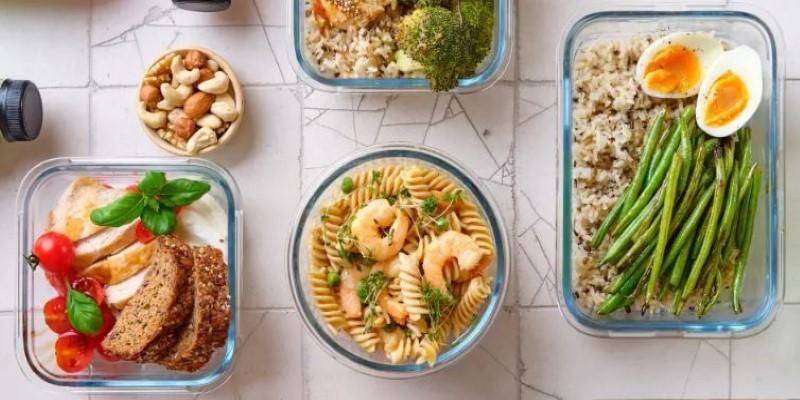
During gallbladder inflammation, meals that ask less of bile flow tend to sit better. Cooking method matters as much as ingredients. Baking, steaming, poaching, and quick stir-cooking in a small amount of oil keep dishes lighter than deep frying, which can provoke cramping and nausea hours later. Herbs, ginger, and mild broths add flavor without extra fat often.
Protein can stay on the menu without triggering a strong gallbladder squeeze. Skinless chicken or turkey, white fish, tofu, lentils, and other beans often work well in clinic meal trials. Fatty cuts of beef or pork, sausage, and fast-food burgers commonly bring back right upper abdominal pressure, especially after larger portions.
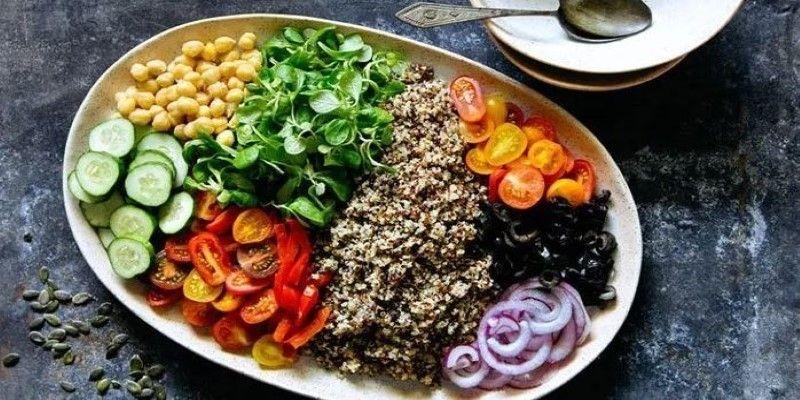
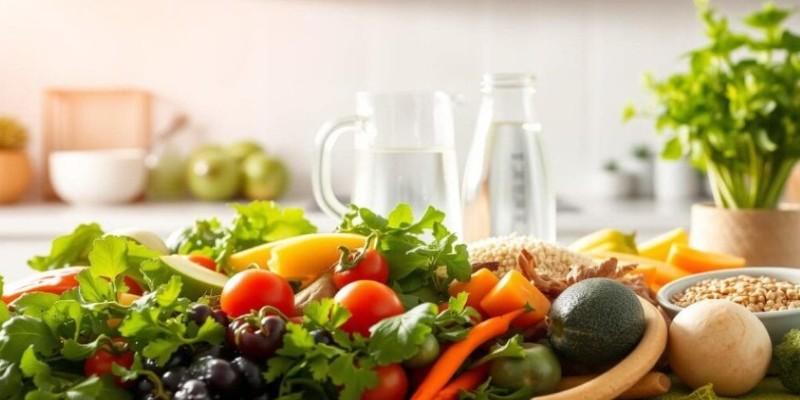
Fiber supports steadier digestion when appetite has been uneven after painful attacks. Oats, barley, brown rice, leafy greens, squash, and carrots add bulk—easing the constipation that often follows days of bland eating or opioid pain medication. Start modestly if bloating is present, then increase as comfort returns.
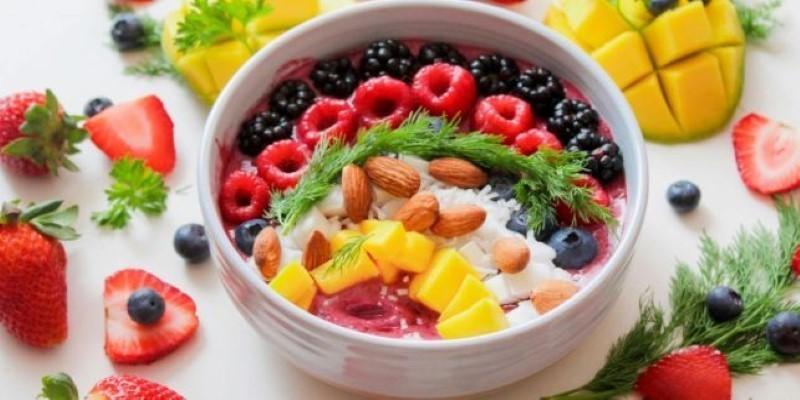
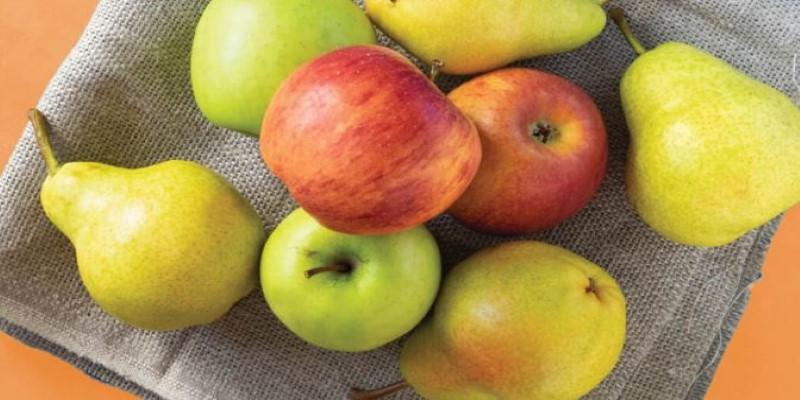
Fruit is usually tolerated, with apples, pears, bananas, and berries offering gentle options during queasiness. Citrus can irritate an already sensitive stomach in some cases. Foods that frequently cause trouble include greasy takeout, cream-heavy dishes, chips, pastries, and heavily spiced meals. Temporary avoidance is common until symptoms settle or surgical planning is complete.
Meal Patterns and Portion Control in Daily Care
Big meals can turn digestion into a sudden, high-demand event. The gallbladder responds with a firm squeeze, and that extra force can push a stone into a tight duct. Clinic histories often show the same setup before a severe episode: little food during the day, then a heavy dinner late in the evening. A steadier pattern usually creates less trouble. Eating smaller portions at regular intervals, often every three to four hours, keeps bile release more gradual and reduces sharp surges after meals.
During gallstone follow-ups, symptom diaries frequently improve once long fasting stretches disappear. Hydration is part of the picture. When nausea limits intake, dehydration and constipation can develop quickly. Both add abdominal pressure and make discomfort harder to interpret, especially when the pain location overlaps with reflux or gastritis.
Timing matters as well. Late meals rich in fat may be followed by night pain, so evening plates are commonly kept plain and moderate: cooked vegetables, a simple starch such as rice, and a lean protein prepared with minimal added oil. Portion control remains the most reliable lever. Even “safe” foods can provoke symptoms in oversized servings. Consistent, measured meals tend to outperform strict avoidance lists during active symptom periods.
Nutritional Gaps After Gallbladder Removal
After cholecystectomy, bile no longer waits in a gallbladder holding tank. It drips steadily from the liver into the small intestine, so meals meet a smaller, less concentrated supply. Many people settle into a new normal within weeks, yet early recovery can bring loose stools, urgency, or a heavy feeling after richer foods.
Clinics often start with a low-fat pattern and then widen choices in steps. The aim is to limit digestive strain while the intestine and pancreatic enzymes adjust to the continuous bile flow. Follow-up visits commonly include a quick screen for fat malabsorption: oily or floating stools, bloating that lingers after meals, and diarrhea that persists beyond the first month. When these signs appear, reducing added fats for a short stretch and spreading meals across the day can calm symptoms.
Absorption of fat-soluble vitamins may dip in a small subset of cases, mainly when diarrhea remains active. Vitamin A, D, E, and K levels can be checked if fatigue, easy bruising, or bone symptoms develop. Discharge handouts with sample menus and portion cues help keep the transition practical at home. If appetite is low, starches and lean proteins usually sit better than creamy, fried, or oversized meals.
Conclusion
Gallbladder disease often responds well to thoughtful dietary planning. Balanced fat intake, steady meal patterns, and careful food selection help reduce biliary irritation during treatment. Clinical monitoring remains necessary since symptoms may signal gallstone obstruction or inflammation requiring medical care. Nutritional guidance works best alongside imaging studies, laboratory testing, and surgical consultation. Consistent dietary management supports digestive stability and may limit painful flare episodes during evaluation or recovery.