Gastritis alters the stomach lining and influences everyday eating habits. Irritated gastric tissue often reacts strongly to acidic foods, large portions, or irregular meal timing. Clinics frequently receive patients reporting burning discomfort, nausea, or early fullness during meals. Many attempt restrictive diets found online, yet symptoms continue. A structured eating guide reduces confusion. Clear food categories, careful preparation methods, and steady meal spacing help protect the stomach lining while maintaining nutrition during treatment and monitoring in outpatient or hospital settings.
How Gastritis Affects Daily Food Tolerance?
Gastritis changes the way the stomach handles ordinary meals. Once the lining becomes inflamed, foods that once passed unnoticed can start causing burning, pressure, nausea, or an uncomfortable sense of fullness. The protective mucus layer no longer buffers acid as effectively, so even mildly acidic foods may irritate the stomach more than expected. In clinic visits, this often appears as a familiar pattern, pain or burning beginning soon after breakfast, then building across the day.

Tolerance rarely stays consistent. A simple bowl of rice may feel manageable, while tomato soup, citrus, or heavily seasoned foods can trigger symptoms within a short time. That contrast often confuses patients, especially when symptoms seem tied not only to ingredients but to timing and portion size.
Meal patterns matter as much as food choices. Long gaps without eating can leave acid sitting in an empty stomach. Large meals create stretch and pressure that can worsen irritation. Evening meals tend to be a common problem area, particularly when they are heavy and followed by lying down soon after.
Medication history adds another layer. Non-steroidal anti-inflammatory medicines can weaken protective defenses in the stomach, making irritation easier to provoke and slower to settle. For that reason, gastritis care usually starts with small, steady adjustments. Softer meals, gentler ingredients, and moderate portions often reduce daily friction inside the stomach while medical treatment does its work.
Foods Commonly Tolerated During Gastritis Recovery
Early recovery from gastritis often starts with foods that give the stomach less work to do. In practice, dietitians usually look for meals that are soft, plain, and easy to break down, since an inflamed stomach lining tends to react badly to heavy seasoning, excess fat, and rough textures. The goal is not a bland diet forever. The goal is to lower irritation while healing takes place.
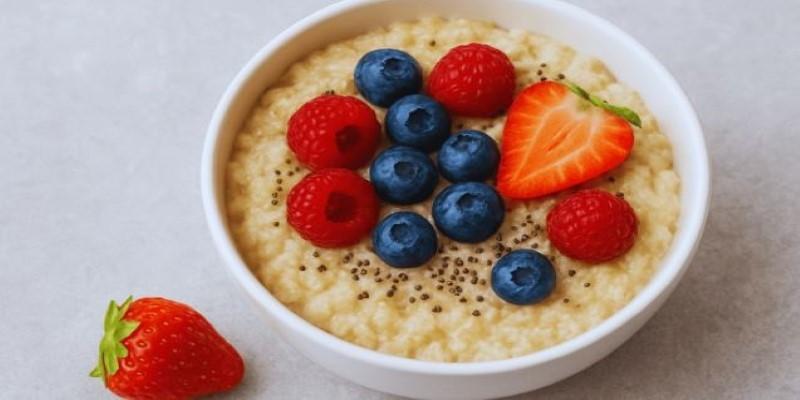
Soft grains are usually a safe starting point. Oatmeal, white rice, cream of rice, and plain pasta are commonly included in meal plans because they sit lightly in the stomach and rarely trigger sharp discomfort. They are also useful during periods of nausea, when richer meals feel impossible.
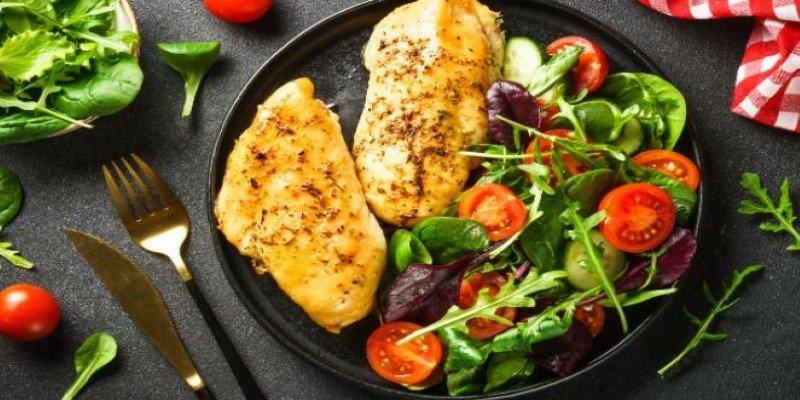
Protein still matters during recovery. The stomach lining needs support, and gentle protein sources can help without creating extra digestive strain. Baked chicken, poached fish, turkey, and softly cooked eggs are often better tolerated than fried or heavily seasoned meats. Preparation makes a real difference here.
Cooked vegetables are another standard choice. Steamed carrots, squash, peeled potatoes, and green beans tend to be easier on the stomach than raw salads or fibrous vegetables. Bananas are often included for similar reasons. They are soft, mild, and easy to eat even during symptom flares. Smaller meals usually work better than large portions. That pattern helps limit pressure in the stomach and often leads to steadier comfort across the day.
Foods and Eating Patterns That Aggravate Symptoms
Certain foods appear repeatedly in patient symptom records collected during clinical consultations. Acidic ingredients remain among the most frequent triggers.
Citrus fruits, tomato products, and vinegar-based dishes often stimulate strong acid release. Patients sometimes describe a sharp burning feeling shortly after eating these foods. Spicy seasoning blends may irritate inflamed gastric tissue directly. Chili powders and concentrated pepper mixtures commonly appear in symptom diaries collected during gastritis monitoring.
Fat content also plays a role in digestion speed. Heavy fried meals remain in the stomach longer than lighter meals. Prolonged stomach retention extends contact between acid and sensitive tissue. Carbonated drinks can add trapped gas that swells the stomach and raises internal pressure, which may worsen pain when the lining is already inflamed. Timing matters too.
Long stretches without food leave acid sitting in an empty stomach, so the next meal can hit harder than expected. In the clinic, nutrition advice often targets repeat patterns first, then tests small changes step by step. That approach keeps diets workable and makes triggers easier to spot.
Building a Practical Gastritis-Friendly Meal Routine
Daily meal structure often keeps gastritis symptoms from swinging throughout the day. Many gastroenterology dietitians start with fixed eating windows, since long gaps can leave an empty, acid-filled stomach that feels raw once food arrives. Breakfast tends to work best when it stays warm and simple, such as oatmeal or rice porridge, served plain or with a small amount of banana.
Midday meals usually pair lean protein with easy starches. A realistic hospital-style plate includes baked poultry, mashed potatoes, and well-cooked carrots, foods that move through the stomach without lingering heaviness. A small snack in the afternoon can prevent the late-day crash that leads to overeating at dinner. Crackers, a ripe banana, or a modest yogurt serving often fit that role.
Dinner is commonly kept smaller than lunch, with the last meal finished several hours before sleep to limit nighttime burning. Preparation matters as much as ingredients. Steaming, baking, and boiling keep meals lighter than frying. A food and symptom log can reveal patterns worth bringing to follow-up visits, especially when medication changes occur.
Conclusion
Gastritis management often improves once eating patterns become consistent. Gentle foods, moderate portions, and balanced meal timing reduce exposure to irritants affecting the stomach lining. Clinical observation shows that gradual dietary adjustment produces better results than extreme restrictions. Monitoring symptoms alongside medical treatment allows healthcare teams to refine food choices over time. With structured meal planning, many patients experience reduced discomfort and improved digestive stability during gastritis recovery.