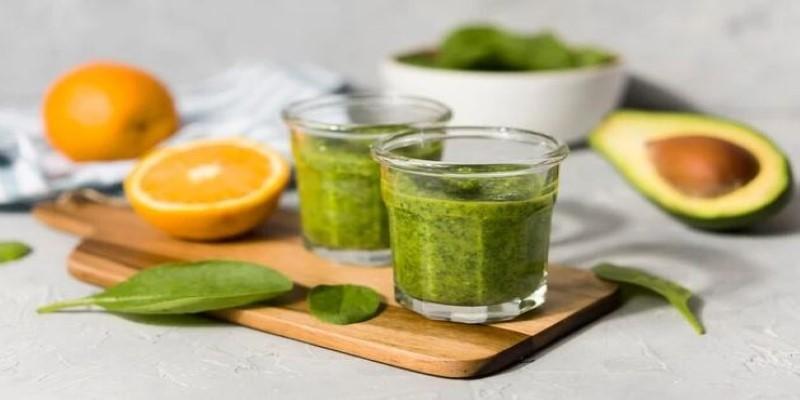
Excess body weight contributes to metabolic strain, elevated blood pressure, and glucose instability. Nutrition teams often evaluate beverage habits during weight management consultations. Sugary drinks remain a common source of unnecessary calories. Vegetable-based juices appear in structured nutrition plans as occasional replacements for high-calorie beverages. These blends deliver hydration and micronutrients while supporting reduced energy intake. Careful ingredient balance matters. Large fruit portions increase sugar levels, while vegetable-heavy mixtures provide steadier nutrition during gradual lifestyle adjustment and long-term dietary correction.
7 Healthy Juicing Recipes for Weight Loss
Green Spinach and Cucumber Metabolic Support Juice
Green spinach and cucumber juice shows up often in calorie-reduction meal plans, mainly as a swap for sweetened drinks rather than a meal stand-in. A practical blend uses spinach, cucumber, celery, lemon, and a thin slice of green apple to soften the sharp edge without pushing sugar too high. Spinach adds magnesium and folate, nutrients commonly flagged in diet reviews when fatigue and low produce intake are issues.
Cucumber boosts volume and fluid, which can help on days when appetite cues blur with dehydration. In clinics, high-sodium packaged meals are a recurring barrier, and this kind of juice brings brightness without extra salt. Juicing strips most fiber, so pairing it with a protein option, such as eggs or plain yogurt, can steady hunger later in the morning.
Carrot Ginger Digestive Balance Juice
Carrot juice blended with ginger often shows up in digestive-focused meal plans. A practical mix uses carrots, a thumb of fresh ginger, lemon, and a small orange segment to round out the sharpness. Carrots bring beta-carotene and a gentle sweetness, which can replace sweetened drinks during calorie-controlled routines. When diets shift quickly from packaged foods to higher produce intake, bloating or sluggish digestion can follow.
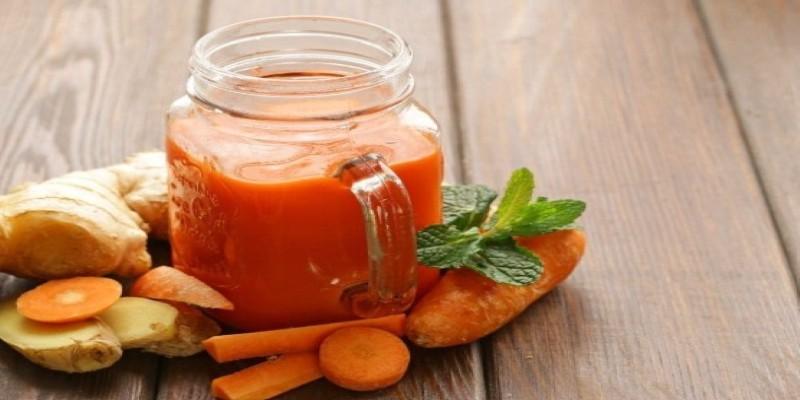
Ginger is commonly used in clinical diet handouts for its association with stomach motility and nausea control, though tolerance varies. Serving size matters. Juicing concentrates the sugars in carrots, so a modest glass fits better for glucose stability, especially with insulin resistance. Prepare fresh and drink soon, since carotenoids degrade with air exposure.
Beetroot and Berry Circulation Blend
Beetroot carries nitrate compounds studied for their role in blood vessel function, an angle often discussed in sports medicine and cardiac rehab settings. This blend uses beetroot with strawberries, blueberries, and a small carrot to soften the earthy taste while keeping the drink produce-forward.
In supervised exercise programs, fatigue can show up early as activity levels rise after long inactivity, and better circulation support is one reason clinicians sometimes include beet-based options alongside hydration planning.
Caution still applies. Beetroot is higher in oxalates, so a kidney stone history calls for careful intake review during renal nutrition visits. Another practical detail appears often in patient education: red or pink urine after beet juice can happen and is typically harmless, yet it surprises many people.
Celery and Green Apple Appetite Control Juice
Celery juice blended with green apple, parsley, and lemon produces a mild, crisp beverage. This mixture appears in structured weight reduction plans designed to reduce snacking patterns. Many patients report frequent eating episodes linked to dehydration rather than hunger.
Vegetable juices sometimes function as scheduled hydration breaks. Diet counseling programs use this strategy to separate thirst from appetite signals. Celery supplies potassium and water content that support fluid balance. In bariatric nutrition programs, mild vegetable juices occasionally assist patients introducing fresh produce after surgery recovery stages.
Sodium content in celery deserves monitoring. The amount remains moderate but may require tracking during strict sodium-restricted diets. Cardiology clinics often review vegetable sodium levels while building patient meal plans.
Tomato and Red Pepper Metabolic Vegetable Juice
Savory vegetable juices show up in clinic teaching kitchens when beverage audits reveal frequent soda, sweet tea, or bottled smoothies. Tomato and red pepper juice work well for that switch, since flavor comes from acids and aromatics rather than added sugar. Use ripe tomatoes, red bell pepper, cucumber, basil, and a squeeze of lemon. The result stays low on natural sugars while delivering lycopene, potassium, and vitamin C.
In hypertension follow-up visits, this blend is sometimes suggested as a mid-afternoon option when salty snacks drive fluid retention. Consider heartburn, since tomato acidity can aggravate reflux. Food safety matters. Treat it like fresh soup, keep it chilled, and discard after 24 hours. Avoid unpasteurized juice for immunocompromised individuals.
Kale Pineapple Nutrient Density Juice
Kale juice can be a hard sell in outpatient nutrition visits, mainly due to bitterness and the “green” aroma that lingers in the glass. Pineapple softens that edge without turning the drink into a sugar bomb. Combine kale, pineapple chunks, cucumber, and lime, then taste before adding more fruit. The blend provides vitamin K, lutein, and calcium, with enough acidity to keep it bright.
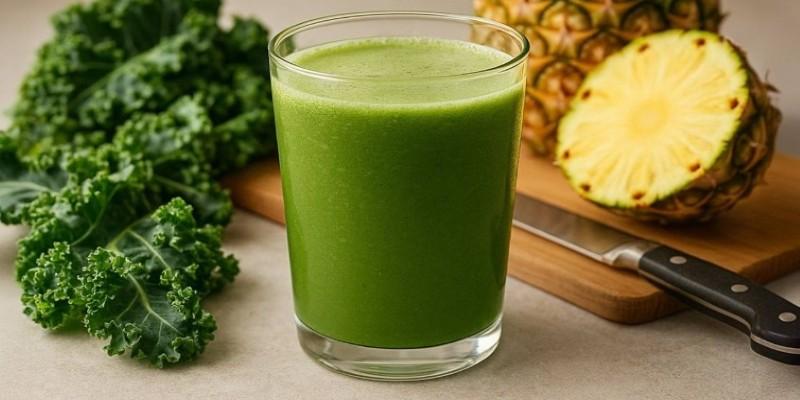
Endocrinology teams sometimes use this recipe during metabolic syndrome counseling when vegetable intake is low and cooking skills are limited. Watch medication interactions. Stable vitamin K intake matters for anticoagulant dosing, and sudden increases can alter INR checks. Some people notice gas or cramping from raw kale, so smaller servings may fit better on busy weekdays.
Cucumber Lemon Hydration Support Juice
Hydration influences appetite cues, exercise tolerance, and day-to-day energy. In weight clinics, beverage logs often reveal frequent grazing that traces back to low fluid intake, not true hunger. A cucumber and lemon juice blend offers a low-calorie option that feels substantial, which can help replace sweet drinks between meals.
Common ingredients include cucumber, fresh lemon juice, mint, and one celery stalk for a small electrolyte lift. In group lifestyle classes, this recipe is used to show how flavor can come from produce instead of added sugar. Mint can settle mild post-meal heaviness. Water still remains the main hydration target.
Conclusion
Weight change usually follows repeatable routines, not single “good” foods. Vegetable-forward juices can replace high-calorie drinks and add micronutrients during early diet shifts. Portion control still matters, since juicing concentrates sugars and strips much of the fiber that supports fullness. Many clinics position juice as a scheduled add-on, paired with protein, whole produce, and meals built around fiber, while activity and medical follow-up track progress and tolerance.