Paris appears in many travel plans through famous landmarks and crowded boulevards. Yet much of the city’s character sits along smaller streets that rarely appear on major itineraries. Walking tours in Paris give travelers time to notice those places. Old shop signs, hidden courtyards, and narrow lanes hold stories tied to everyday life. Travel advisors often recommend walking routes during busy seasons, especially summer, when large attractions feel overwhelming. A slower pace allows visitors to step away from dense crowds and see the city in a calmer setting while still remaining close to historic districts.
Quiet Passages of Le Marais
Le Marais has a way of slowing the day down. In the early morning, before the shopfronts lift and the side streets fill, the district feels intimate and full of detail. Stone façades catch soft light, iron balconies stand out more clearly, and heavy wooden gates along Rue des Francs Bourgeois hint at courtyards tucked just out of sight. Some open into quiet spaces framed by old mansions, worn paving, and bits of greenery, the kind of corners that can change the mood of a walk in seconds.
Place des Vosges gives the route a natural pause. The arcades provide shade, the benches offer relief, and that matters more than many first time visitors expect. During warmer months, long walks across Paris can become tiring faster than planned. A stop here breaks up the route without losing momentum, which is one reason guides return to it again and again.
Rue des Rosiers adds texture that feels lived in rather than arranged for visitors. Early bakery hours bring the smell of fresh pastry into the street, and long standing food shops reflect the area’s Jewish history in a direct, everyday way. Le Marais does get busy later in the day, especially in spring and summer. Going early makes a real difference. Good shoes help too, since older stones can turn slick after rain in several spots.
Canal Saint Martin and Everyday Paris
Canal Saint Martin shows a softer side of the city, far from the pressure that gathers around Paris landmarks by midmorning. The water moves slowly between iron footbridges, chestnut trees, and stone embankments, and the whole area feels lived in rather than arranged for visitors. This is why walking tours in Paris often come here. The route gives travelers a pause after long museum lines, busy avenues, and packed metro stations.
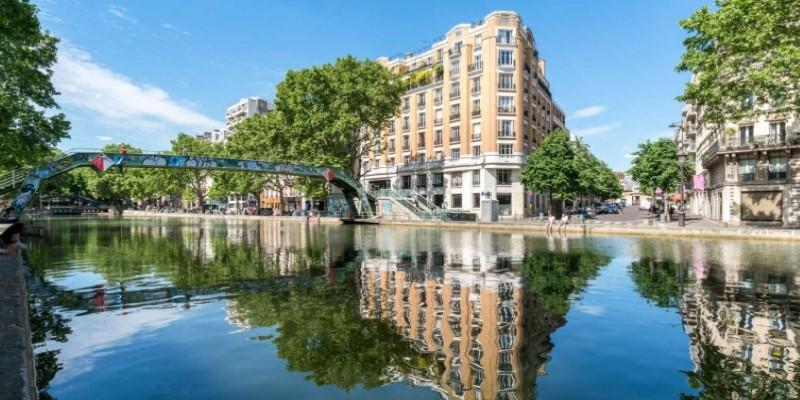
Early hours are best. Bakers lift shutters, cyclists cut across the bridges, and small shopfronts begin to stir without the rush that arrives later in the day. Along the canal, the appeal comes from detail. Reflections sliding under lock gates, worn benches facing the water, apartment windows opening above the towpath. It feels local in a way many central districts no longer do.
For travel advisors, this area solves a real itinerary problem without pulling them far from central Paris. Not every traveler wants another grand square after lunch. Some need space, air, and a slower stretch between major sights. Canal Saint Martin gives that break. Evening can feel crowded, especially in warm months, and winter rain makes the paths slick. Still, with good timing, this route opens a calm pocket of Paris, hidden streets, and everyday city life.
Montmartre Beyond the Main Square
Montmartre often appears crowded near the staircase leading toward Sacré Cœur. Tour buses arrive steadily throughout the day. Yet Paris walking routes across the hillside reveal quieter streets only minutes away from that busy plaza. Rue de l'Abreuvoir stands as one of the most photographed corners in the district. Pastel houses and ivy covered walls line the street. Early light touches the façades, creating a calm atmosphere before crowds build. Many photographers arrive at sunrise during the summer months.
Small plaques throughout the neighborhood mark former studios once used by painters and writers. These signs provide context to the district’s artistic past. Walking through these lanes helps visitors understand why the area gained its reputation as a creative center. The hill presents one practical difficulty. Steep streets and staircases appear frequently. Travelers with limited mobility may prefer routes that circle the hillside instead of climbing directly upward.
Many guides design alternative paths that follow gentler slopes. Quiet gardens remain scattered across the district. Square Suzanne Buisson offers a peaceful stop where visitors can rest before continuing along the hillside. These calm corners reveal the Montmartre atmosphere many travelers expect but rarely find near the crowded main square.
The Latin Quarter’s Hidden Courtyards
The Latin Quarter still carries its academic backbone, but it’s easy to get stuck on the loud strip near Boulevard Saint Michel and miss the parts that feel lived-in. The better walk slips behind the main roads and into lanes that seem to fold in on themselves. Cour du Commerce Saint André is a perfect reset point. The cobbles are uneven, the buildings press in close, and the lighting stays soft even at midday.
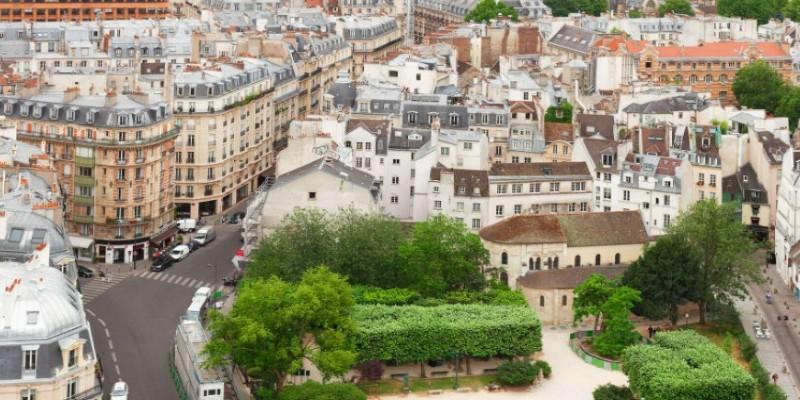
It feels like a small pocket of Paris that never agreed to modernize. A few minutes away, old bookshops change the mood again. Shelves lean under the weight of used paper, and the window displays look arranged by instinct rather than trend. Browsing here can take longer than planned, especially when a shopkeeper starts pointing out local authors or obscure editions.
Timing makes a difference. Early autumn brings student energy back around the Sorbonne, while spring evenings can turn the area noisy fast. Courtyard access can change without warning, so a good route keeps backup passages in mind.
Conclusion
Walking tours in Paris reveal a quieter layer of the city often overlooked during fast itineraries. Small courtyards, canal paths, hillside streets, and academic lanes tell stories that large monuments cannot show. Thoughtful routes help travelers avoid seasonal crowd pressure while still remaining close to historic districts. Early morning often brings the best conditions for calm walking and clear views. For visitors hoping to experience Paris hidden streets, a slow walk through neighborhoods remains the most reliable way to see the city’s everyday character.