Breakfast is a common source of hidden sodium, even before lunch arrives. Bread, sauces, flavored packets, and processed meats can push morning intake past targets set in hypertension and heart-failure clinics. Lower-sodium choices do not require bland food or extra time. Simple swaps, careful label reading, and a few reliable base ingredients keep flavor intact while protecting fluid balance. A steady breakfast routine also makes medication schedules and home blood pressure logs easier to manage.
Oat-Based Breakfasts Without Added Salt
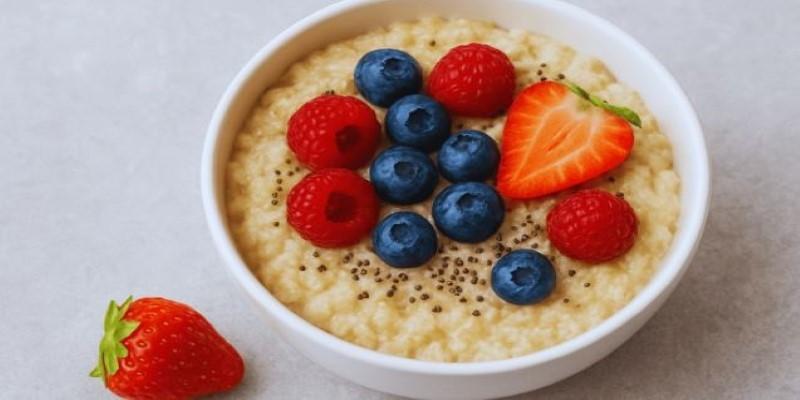
Plain oats are a quiet workhorse on low-sodium meal plans. In renal and cardiac clinics, food logs often show that switching from flavored packets to basic rolled oats can drop a breakfast by hundreds of milligrams of sodium, sometimes from 200 or more to nearly none. The difference usually comes from additives that carry salt for taste, texture, and shelf life.
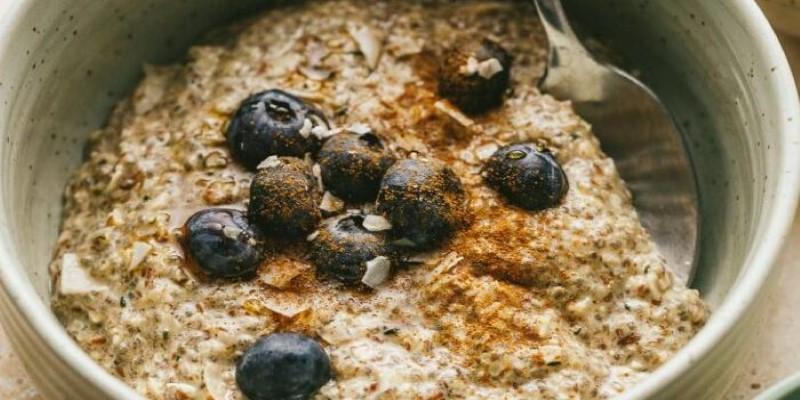
Cooking choices keep that advantage intact. Water works well, and unsalted milk or calcium-fortified milk alternatives add creaminess without the salty bump found in many packaged mixes. Batch-cooked oats, cooled and portioned for the week, fit real hospital routines, large kettles in the kitchen, quick reheats on the unit, consistent numbers for diet orders.
Flavor can come from fruit instead of salt. Blueberries burst in warm oats, apples soften into a jammy layer, and banana thickens the bowl while cutting the need for sugar. Flaxseed or chia adds body and fiber, useful on mornings when steroids, diuretics, or new blood pressure medicines unsettle appetite.
Potassium-based salt substitutes can complicate kidney monitoring, so many care teams lean on cinnamon, vanilla extract, or warmed fruit compote to keep meals satisfying. If swallowing is difficult after procedures, oats can be cooked looser and blended slightly, easing intake during early recovery meals too.
Egg and Vegetable Plates With Controlled Sodium
Eggs can anchor a low-sodium breakfast when the usual salty add-ons stay off the plate. On cardiac stepdown floors, nurses often scan meal trays for hidden sodium since postoperative swelling can push blood pressure upward and complicate diuretic dosing.
A basic scramble keeps control simple. A nonstick pan, a small splash of oil, and no added salt are enough. Spinach wilts quickly, tomatoes release juices, and mushrooms deepen flavor, so the dish tastes complete without seasoning packets. Timing matters; vegetables sautéed briefly before the eggs set prevent a watery texture that patients sometimes refuse after surgery.
Baked egg muffins offer another practical option used in outpatient cardiac education. Eggs mixed with diced bell pepper, onion, and parsley bake in a muffin tin, creating portions that travel well for early clinic appointments. Portions help dietitians match protein intake to fluid limits and medication schedules.
Processed meats are a common trap. Bacon, sausage, and deli ham can add hundreds of milligrams of sodium and may trigger morning weight swings from retained fluid. Sides can stay gentle. Avocado adds creaminess but raises potassium, a concern in advanced kidney disease. Unsalted cottage cheese works for some plans, but labels vary and deserve a quick check. Clinic teams document breakfasts to spot sodium drift early.
Fruit, Yogurt, and Whole Grain Combinations
Low sodium breakfast planning often includes unsweetened yogurt paired with fruit and whole grains. Plain yogurt typically contains far less sodium than flavored varieties found in grocery coolers. In diabetes education clinics, registered dietitians sometimes suggest this combination during nutrition counseling sessions since it stabilizes morning glucose patterns without adding hidden salt.
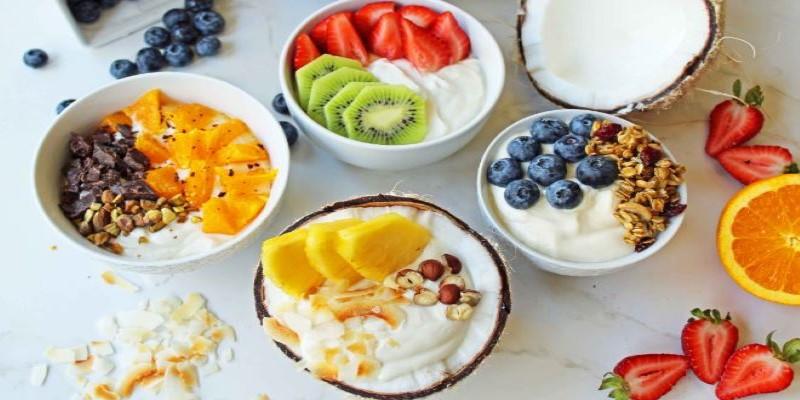
Greek yogurt offers a thicker texture and higher protein levels. Many cardiology clinics distribute printed meal examples showing yogurt topped with strawberries, oats, or chopped pear. The goal involves steady digestion and controlled sodium exposure during the first meal following overnight fasting. Whole grains add structure to the meal. Unsalted steel cut oats prepared earlier in the week can appear chilled beside yogurt and fruit.
Dietitians occasionally recommend this arrangement for patients managing both hypertension and prediabetes, conditions that often appear together in outpatient care. Portion monitoring remains relevant. Some commercial yogurts labeled as natural still carry moderate sodium content due to processing stabilizers. Nutrition staff in hospital kitchens read product labels carefully before adding yogurt to cardiac diet trays.
Seeds or unsalted nuts provide additional texture. Pumpkin seeds, walnuts, and almonds supply fats that slow carbohydrate absorption. This pairing reduces rapid glucose changes during morning clinic lab draws, a pattern commonly observed during metabolic monitoring programs. Such combinations appear frequently in cardiac diet handouts distributed during discharge planning.
Low Sodium Smoothies for Morning Nutrition
Smoothies appear frequently in nutrition plans for patients dealing with poor appetite after cardiac procedures. Blended meals require little chewing and allow nutrient intake during periods of fatigue or medication related nausea. A low sodium smoothie begins with unsweetened milk alternatives or plain dairy milk. Many commercial plant beverages contain added sodium for flavor balance, so dietitians review ingredient labels before recommending a product in hypertension counseling programs.
Fruit supplies natural sweetness and fluid. Frozen berries, mango, or banana blend smoothly and contribute potassium and antioxidants. Cardiology rehabilitation programs sometimes encourage these smoothies during early morning medication schedules since heavy meals may interfere with appetite. Protein sources require attention. Unsalted nut butter or plain Greek yogurt often replaces commercial protein powders.
Powdered supplements frequently contain sodium based stabilizers designed for shelf life. Hospital diet kitchens sometimes prepare similar drinks for patients with chewing limitations after surgery or dental complications. A blender allows oats, fruit, yogurt, and milk to combine into a drinkable meal that maintains controlled sodium levels.
Clinical monitoring still matters. Some fruit combinations raise potassium intake significantly. Patients with advanced kidney impairment usually receive individualized guidance from renal dietitians before including high potassium ingredients in routine breakfasts. Documentation in nutrition charts tracks tolerance, electrolyte levels, and appetite response daily.
Conclusion
Balanced breakfasts with minimal sodium support cardiovascular treatment plans and daily blood pressure monitoring. Meals built around oats, eggs, fruit, yogurt, vegetables, or blended ingredients allow precise control of salt intake during early hours. Dietitians often review breakfast routines during hypertension follow up visits since small morning changes influence total sodium exposure across the day. Consistent meal planning also simplifies medication timing and supports stable fluid balance during long term cardiac care programs and monitoring.