
Digestive bloating appears frequently in outpatient visits and primary care. Patients describe abdominal pressure, swelling, or tight clothing after meals. Clinical evaluation often rules out structural disease, leaving functional digestive disruption as the driver. Slowed gastric emptying, altered gut bacteria, enzyme insufficiency, and gas retention can contribute. Nutritional supplementation sometimes becomes part of symptom management when diet changes alone fail to reduce discomfort. Several vitamins and targeted compounds support digestive processes involved in gas production, gut motility, and microbial balance.
Digestive Enzyme Supplements and Nutrient Absorption Support
Incomplete food breakdown remains a common cause of post-meal bloating. In gastroenterology clinics, stool tests and symptom diaries often reveal poor tolerance for fats, dairy, or complex carbohydrates. Digestive enzyme supplements address this issue by assisting the body’s natural enzyme production.

Pancreatic enzyme blends frequently contain lipase, protease, and amylase. These compounds break down fats, proteins, and starches inside the small intestine. Inadequate digestion leaves larger food particles available for bacterial fermentation in the colon. Fermentation produces hydrogen and methane gas, which leads to abdominal distension.
Clinical dietitians sometimes recommend enzyme supplementation during elimination diet protocols. A patient reporting bloating after high-protein meals may begin a short trial of protease-containing enzymes taken before meals. In several documented cases within gastroenterology practices, symptom tracking logs show a measurable reduction in abdominal pressure within two weeks.
Lactase represents a targeted example. Lactose intolerance results from low production of lactase in the intestinal lining. Undigested lactose moves into the colon and undergoes fermentation. Gas accumulation develops rapidly. Lactase supplements allow dairy digestion without significant fermentation.
Limitations exist. Enzyme supplementation does not correct structural digestive disorders such as inflammatory bowel disease or intestinal obstruction. Dosing errors can also lead to inconsistent results. Gastroenterology staff often advise meal-timing adjustments and gradual dose titration to determine effectiveness.
Probiotics and Microbial Balance in the Intestinal Tract
Probiotics are often discussed in relation to bloating for one simple reason, the bacterial balance inside the gut can shape how much gas forms after meals. When certain microbes ferment carbohydrates too aggressively, the result may be abdominal pressure, swelling, and discomfort that lingers for hours. This pattern is often seen in cases of irritable bowel syndrome and in small intestinal bacterial overgrowth, where fermentation starts earlier in the digestive tract than it should.
Common probiotic strains such as Lactobacillus and Bifidobacterium are used in many digestive support products. Their role is not to erase symptoms overnight, but to shift the microbial environment in a steadier direction. In clinical settings, probiotics are often paired with a low-FODMAP eating plan, especially when bloating follows foods rich in fermentable sugars. Over several weeks, some patients report less distension, more regular stools, and fewer episodes of post-meal fullness.
Product quality matters. Heat, moisture, and long shipping times can weaken live strains before a bottle is opened. Clear labeling and proper storage improve reliability. Care is still needed in medically fragile patients, since rare bloodstream infections have been documented in intensive care settings.
Magnesium and Gastrointestinal Motility Regulation
Magnesium supports the gut’s basic mechanics. Intestinal muscles rely on it to contract in a coordinated way, and the nerves that cue those contractions depend on it as well. When intake runs low, the bowel can slow down. Stool sits longer, fermentation increases, and gas builds, often showing up as a fuller, tighter abdomen by the end of the day.
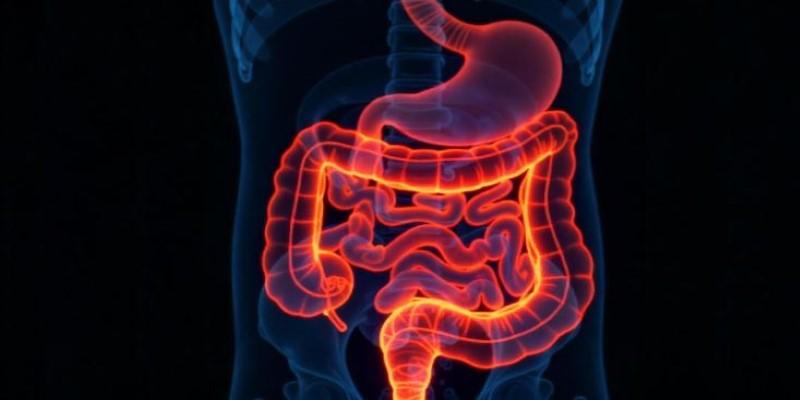
Clinicians often use magnesium citrate or magnesium glycinate when mild constipation and bloating travel together. The goal is not a dramatic purge; it is a steadier transit. In bowel regulation plans on GI units, nurses may see a familiar pattern: a patient with chronic functional constipation starts a low dose alongside fiber adjustments and more consistent fluids. Over several days, stool frequency improves, straining eases, and the "ballooned" feeling becomes less persistent.
Magnesium can matter for cramping, too. Tense intestinal muscle can trap pockets of gas in place. Smoother muscle tone helps gas move along rather than staying stuck. Dosing needs care. Too much can cause urgent diarrhea and fluid or electrolyte shifts. Reduced kidney function changes magnesium handling, so supplement plans often require clinician review, especially with diuretics or other electrolyte-altering medicines.
Peppermint Oil, Vitamin B Complex, and Additional Supportive Compounds
Peppermint oil capsules appear frequently in gastroenterology recommendations for bloating associated with intestinal spasm. Enteric-coated formulations dissolve within the small intestine rather than the stomach. This coating reduces irritation and allows the oil to act directly on intestinal muscle tissue.
Menthol, the primary compound in peppermint oil, relaxes smooth muscle lining the gastrointestinal tract. Relaxation reduces trapped gas pockets and allows smoother intestinal transit. In outpatient clinics managing irritable bowel syndrome, symptom diaries sometimes show reduced abdominal distension during eight-week peppermint oil trials.
Vitamin B complex also contributes to digestive stability. Thiamine, riboflavin, and niacin participate in cellular energy metabolism inside intestinal cells. Energy availability influences motility patterns and nutrient absorption efficiency.
Folate and vitamin B12 hold additional relevance in gastrointestinal health. Chronic digestive disorders occasionally impair vitamin B12 absorption due to altered stomach acid levels or intestinal inflammation. Low B12 levels can affect nerve signaling within the digestive tract, which may disrupt coordinated intestinal contractions.
A hospital nutrition consultation often reveals low B vitamin intake in patients with restricted diets caused by long-term digestive discomfort. Gradual nutritional repletion using balanced B complex supplements sometimes coincides with reduced bloating complaints during follow-up visits.
Peppermint oil carries precautions. Gastroesophageal reflux disease can worsen after peppermint exposure due to relaxation of the lower esophageal sphincter. Physicians commonly review reflux history before recommending this option. Vitamin B complex rarely produces digestive side effects at standard doses. High-dose formulations occasionally cause nausea or flushing. Monitoring dosage prevents unnecessary complications.
Conclusion
Bloating often reflects disruptions in digestion, intestinal motility, or microbial balance rather than structural disease. Vitamins and targeted supplements may assist during symptom management when clinical evaluation rules out serious pathology. Digestive enzymes support food breakdown, probiotics influence microbial activity, magnesium assists intestinal movement, and peppermint oil reduces muscle spasm. Careful dosing and medical review remain necessary in patients with chronic illness or medication interactions. Symptom tracking and dietary assessment continue to guide appropriate supplement use in clinical settings.