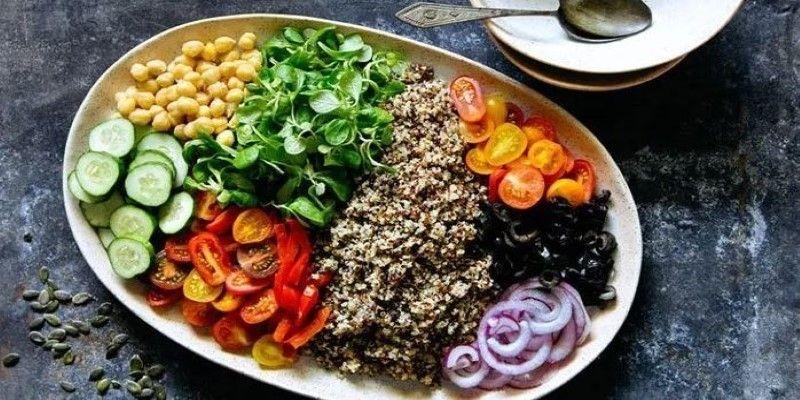
Chronic pancreatitis changes daily eating patterns and places a steady strain on digestion. The pancreas releases enzymes that break down fat, protein, and carbohydrates. Ongoing inflammation disrupts that process, leaving many meals difficult to tolerate. Fat digestion creates the largest burden during flare periods. A structured low fat eating pattern often becomes part of long term care. Diet planning within clinics and home settings aims to limit symptoms such as abdominal pain, greasy stool, and weight loss while maintaining stable nutrition.
Digestive Strain Created by Fat in Chronic Pancreatitis
Fat creates a special kind of strain in chronic pancreatitis. Under normal conditions, the pancreas releases enzymes into the small intestine to break fat down into smaller parts that the body can absorb. Chronic inflammation disrupts that process. Enzyme output may fall, ducts may not move digestive fluid properly, and part of the meal passes through only partly digested. The result often shows up in the bathroom first, bulky, pale, greasy stool that floats or leaves an oily film.
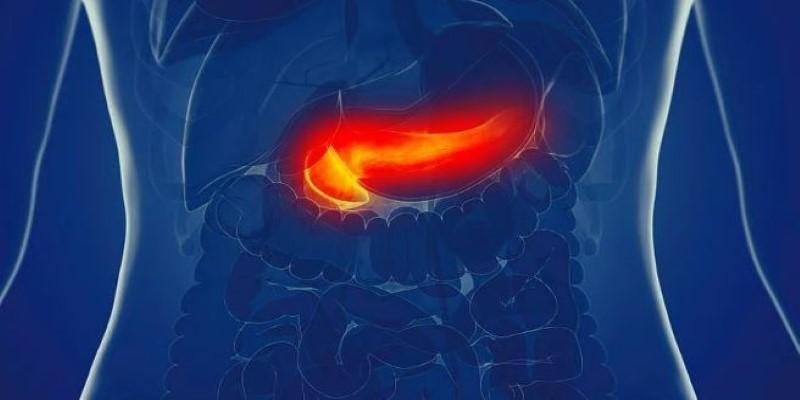
In clinic settings, stool testing and symptom history often point to this pattern early. Meals high in fat can bring on pain with frustrating predictability. A rich dinner may seem manageable at first, then several hours later, the upper abdomen tightens, nausea builds, and pressure lingers well into the evening. This happens partly because fat asks more of the pancreas at the exact time the organ has the least reserve.
That is where a low fat eating plan becomes useful in a very practical way. It lowers digestive demand meal by meal. Hospitals often start this approach during admission, then dietitians refine it after discharge. Small changes matter. Eggs cooked in butter may cause trouble, while the same breakfast made with very little oil may sit far better. For many patients, symptom control starts with details that are small.
Designing a Practical Low-Fat Eating Pattern
Designing a practical low-fat eating pattern starts with meal timing as much as food selection. In chronic pancreatitis, long gaps between meals often lead to heavier eating later in the day, and that can bring on pain, bloating, or loose, greasy stool. For that reason, hospital dietitians usually build plans around smaller meals spread across the day. The goal is simple, reduce the digestive load at any one time and make symptoms less erratic.
Protein choices matter. Skinless chicken, white fish, egg whites, beans, and lentils are commonly used because they provide needed nutrition without adding a large fat burden. In clinical settings, meal plans are often adjusted down to the gram, especially after weight loss or repeated flare related admissions.
Preparation methods can quietly change the outcome of a meal. Baked, poached, steamed, or grilled foods tend to be easier to tolerate than foods cooked in oil or covered in rich sauces. Even a generally safe ingredient can become troublesome once frying is involved.
Packaged foods create another problem. Hidden fats in soups, frozen dinners, snack foods, and dressings can undo an otherwise careful plan. Label reading becomes part of the treatment. Some patients also need pancreatic enzyme capsules with meals, and follow-up visits often focus on stool changes, appetite, and weight trends.
Clinical Monitoring and Nutritional Balance
Fat restriction introduces nutritional challenges. Fat soluble vitamins, including vitamins A, D, E, and K, depend on fat for absorption. Long term restriction combined with malabsorption may create deficiencies. Routine blood tests during gastroenterology visits often screen for these changes.

Bone health monitoring frequently appears in chronic pancreatitis care plans. Vitamin D deficiency may contribute to bone loss. Dual energy X ray absorptiometry scans sometimes reveal early reductions in bone density. Supplement programs often follow these findings, coordinated between physicians and dietitians.
Weight loss presents another concern. Digestive discomfort often reduces appetite. Malabsorption compounds this problem, leading to a gradual decline in body weight. Nutrition clinics track weight during each appointment. Even small monthly changes receive attention since long term decline may lead to muscle loss and reduced physical strength.
Some hospital programs introduce medium chain triglyceride oils in limited quantities. These fats absorb differently within the intestine and require less pancreatic enzyme activity. Dietitians usually add them cautiously and monitor tolerance. Excess amounts may still trigger gastrointestinal distress.
Nutrition documentation within electronic health records allows coordination across care teams. Gastroenterologists, dietitians, and primary care clinicians review the same data. Lab values, weight trends, and symptom reports guide ongoing dietary adjustments.
Daily Challenges and Long-Term Adherence
Long-term low-fat eating can feel straightforward on paper and messy in real life. Dining out is a common tripwire. Menu items labeled “grilled” may arrive glazed in butter or finished with oil, and sauces can add most of a day’s fat in a few bites. Diet visits often include a quick “menu audit” and a short list of safer defaults, broth-based soups, plain starches, and lean proteins served without added toppings.
At home, shared meals may need quiet rewrites. Familiar dishes built on cream, marbling, or frying can be remade with trimming, draining, roasting, and measured amounts of low-fat dairy alternatives. Keeping one base meal and offering add-on fats at the table can reduce separate cooking.
Schedules can sabotage the plan. Long gaps between meals, followed by a large late shift dinner, often line up with bloating, cramping, and fatigue. Clinics commonly suggest packing two small meals and a snack, plus enzyme doses and water.
Stress adds another layer. Fear of pain can push intake too low, leading to weight loss and vitamin deficits. Regular check-ins, food logs, and brief reassessments help keep restrictions precise rather than extreme. Lab work and symptom notes give clinicians a picture during follow-up appointments.
Conclusion
Low fat eating remains a central element in chronic pancreatitis care. The approach lowers digestive strain and helps limit painful flare periods. Careful planning, clinical monitoring, and nutrition education guide long term management. Fat restriction alone rarely solves every digestive challenge, yet it forms a stable foundation for treatment plans. Coordination between gastroenterology teams, dietitians, and primary care providers supports balanced nutrition while reducing symptoms linked to pancreatic insufficiency.